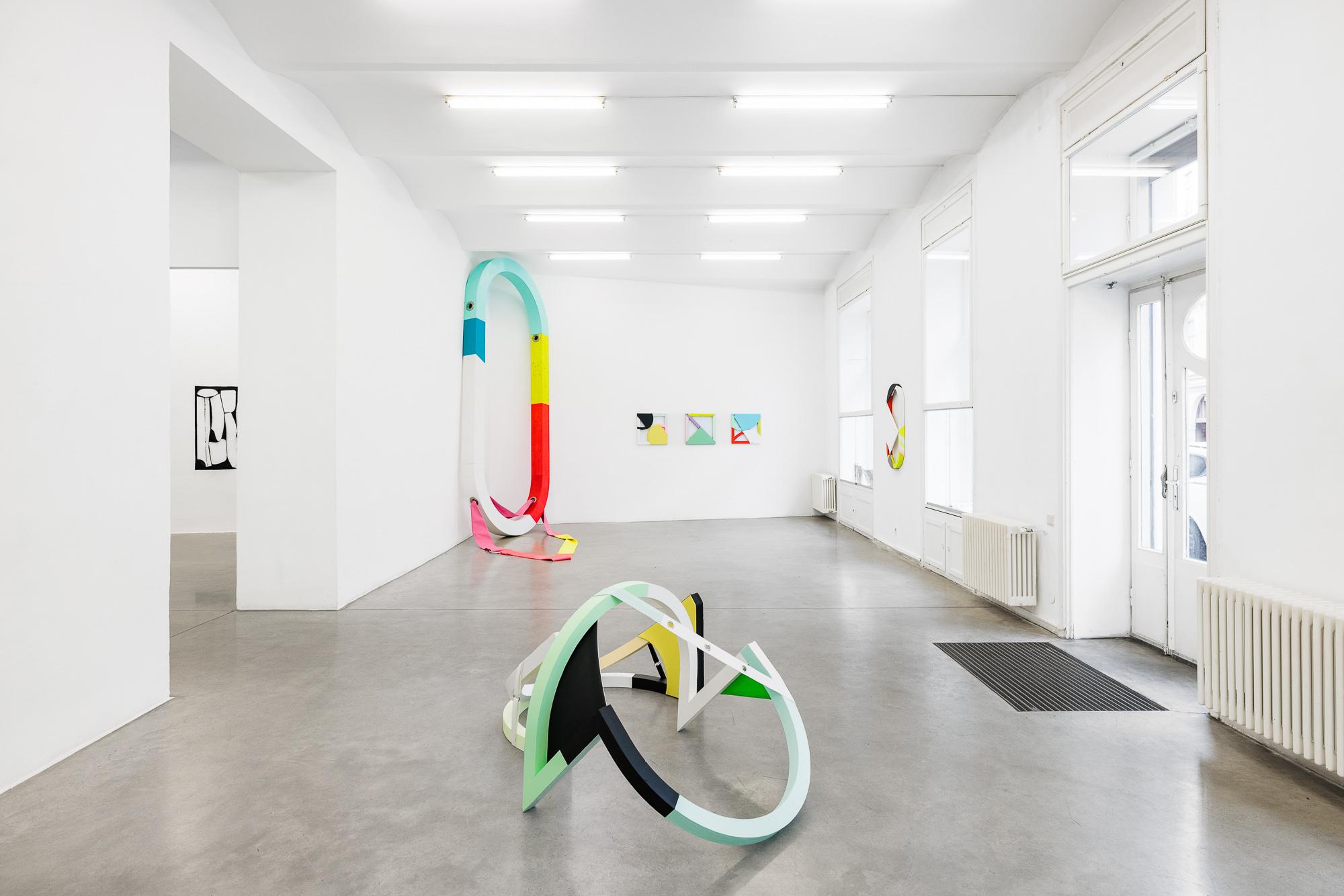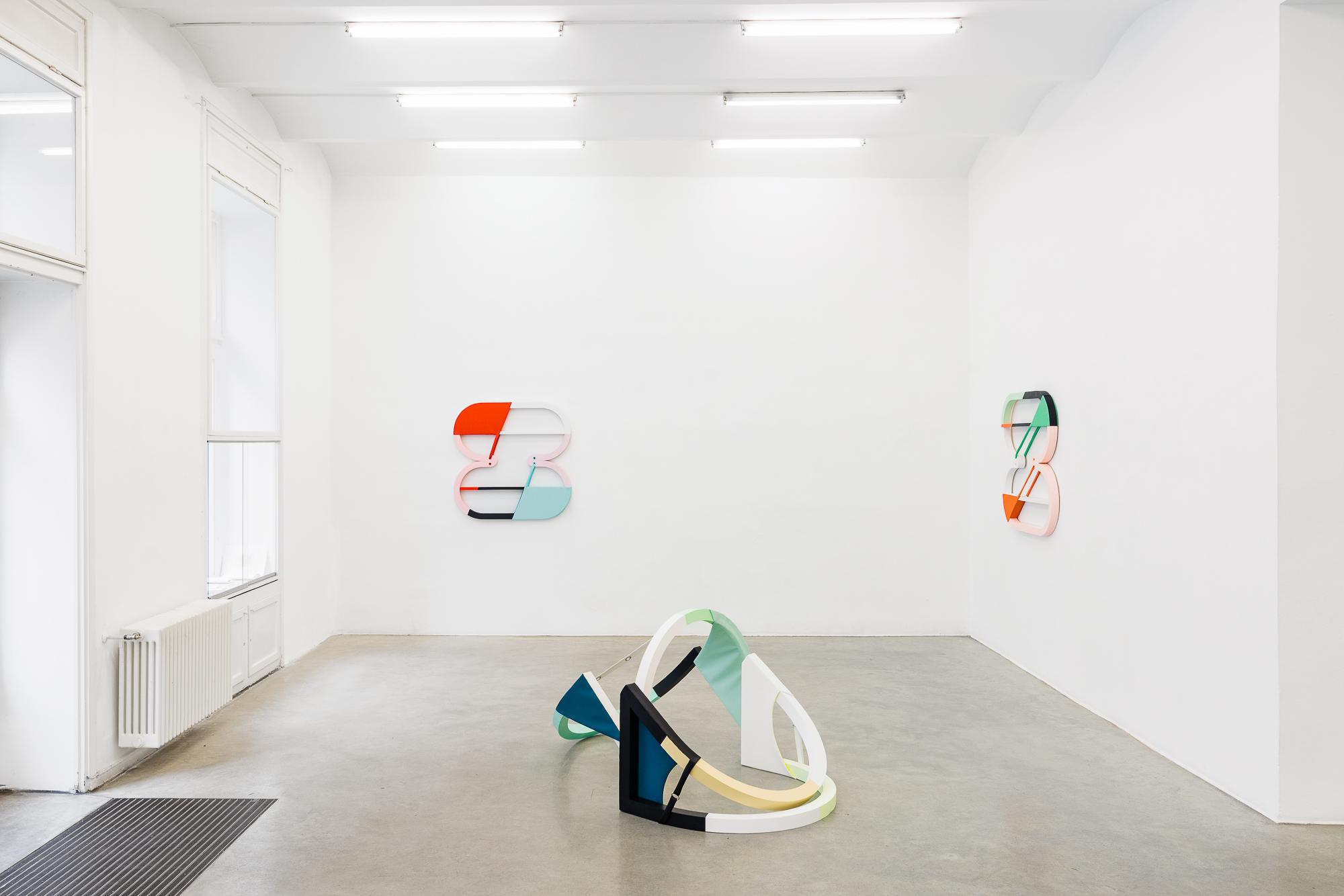
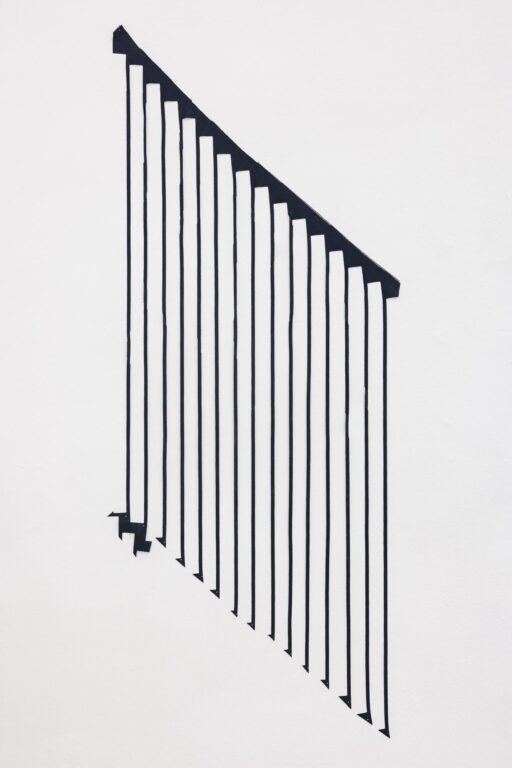
Mit FULTERER SCHERRER, Angela GLAJCAR und Marion BARUCH vereint die Christine König Galerie Künstlerinnen zweier Generationen, die zwischen Zwei- und Dreidimensionalität wandeln, an den Schnittstellen unterschiedlicher Medien und Genres arbeiten und dabei Leerstellen sowie negative Räume reflektieren.
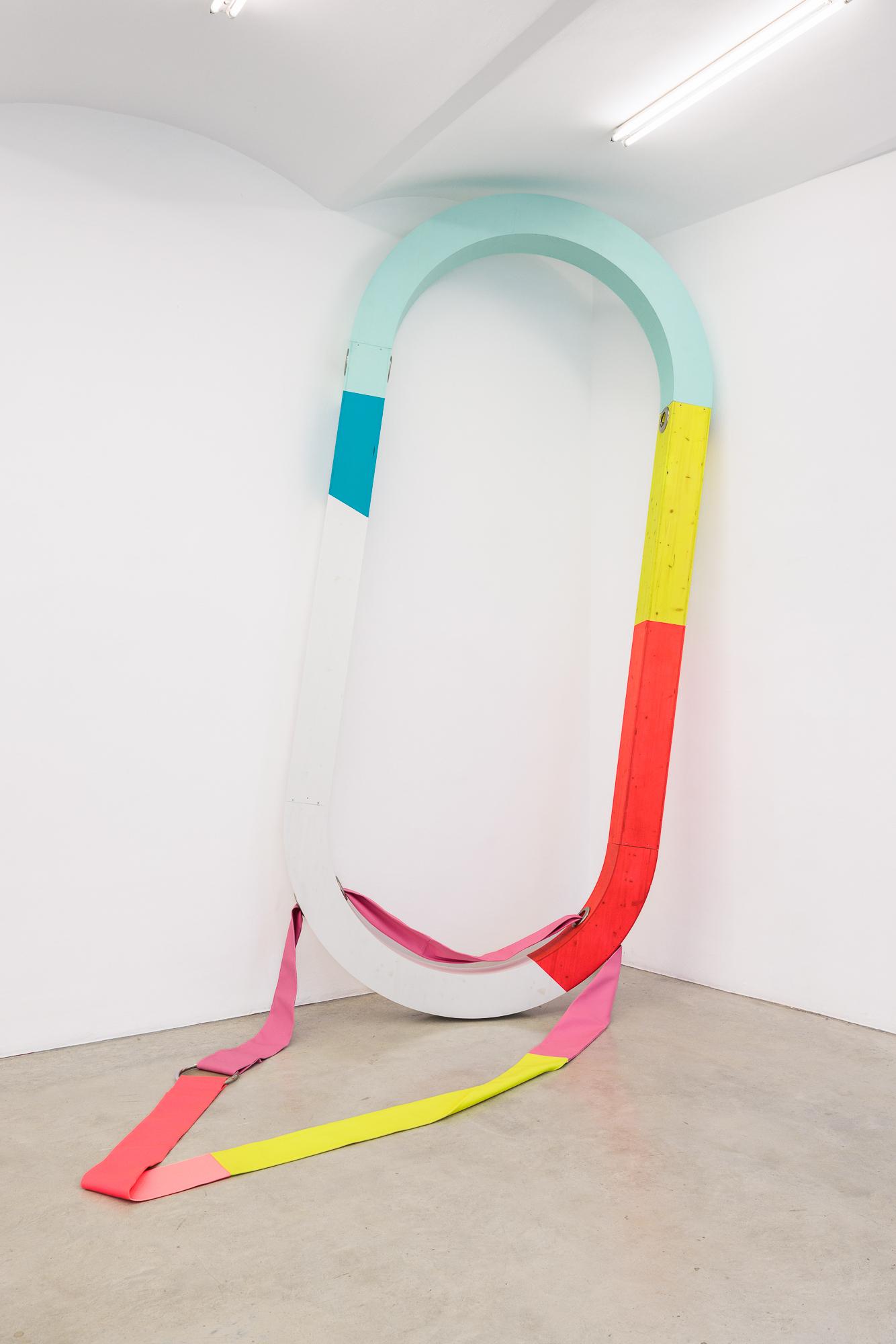
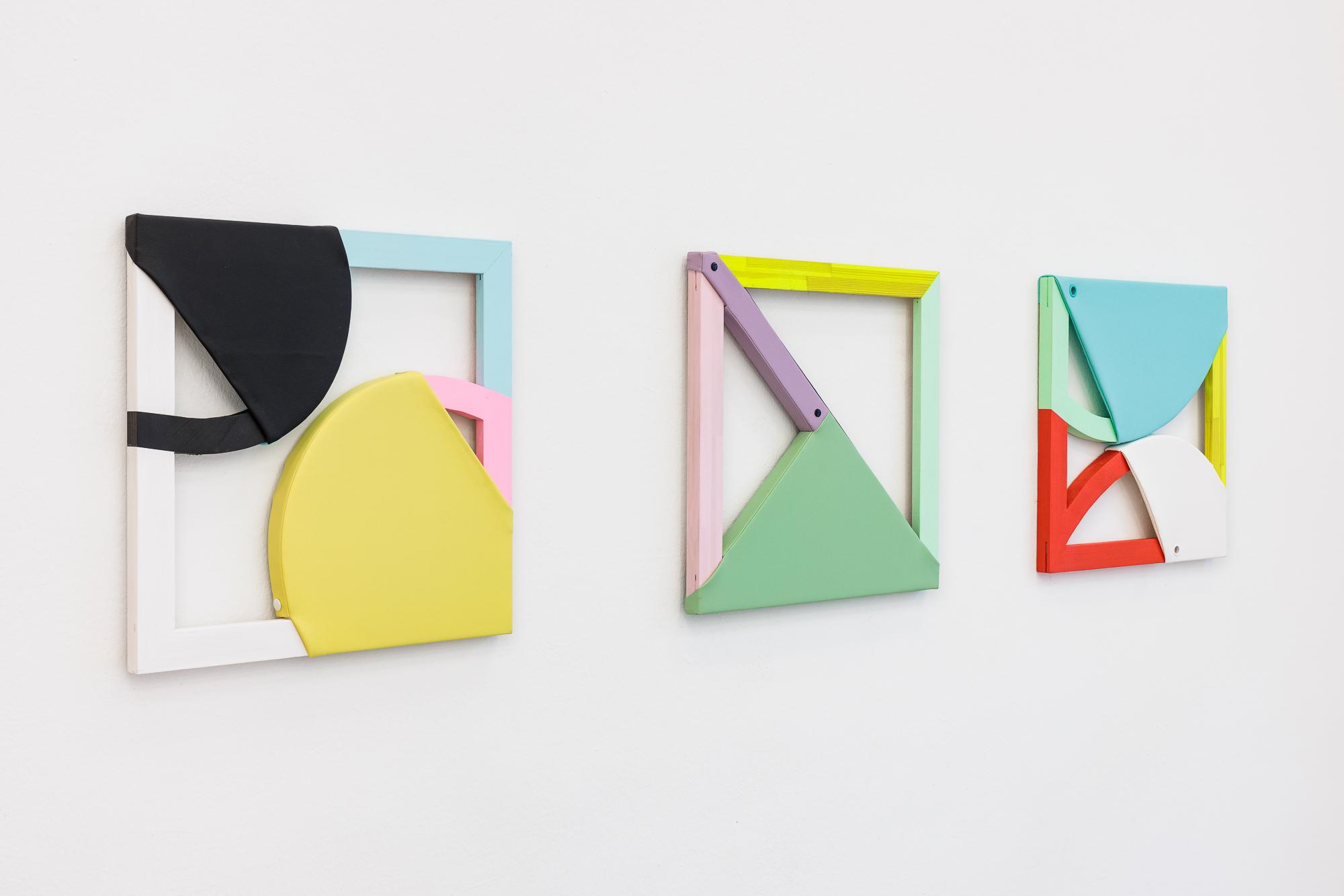
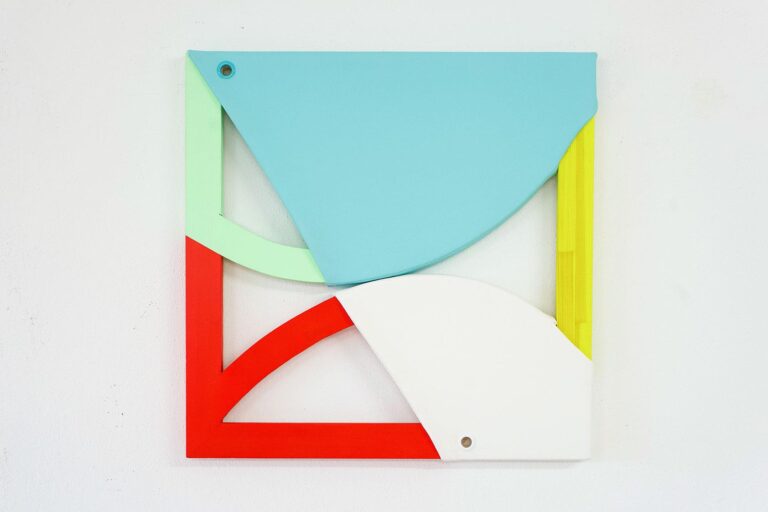
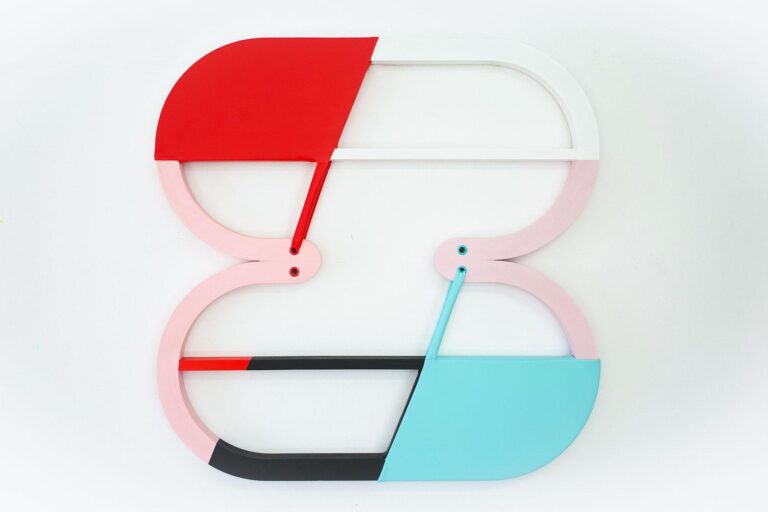
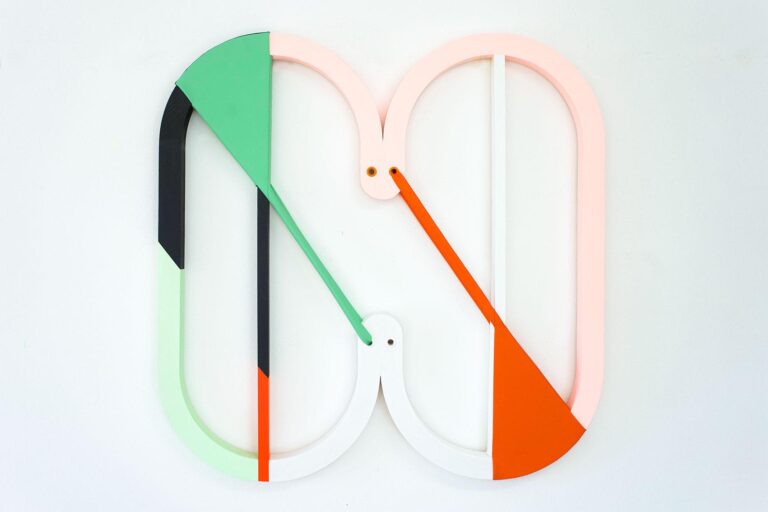
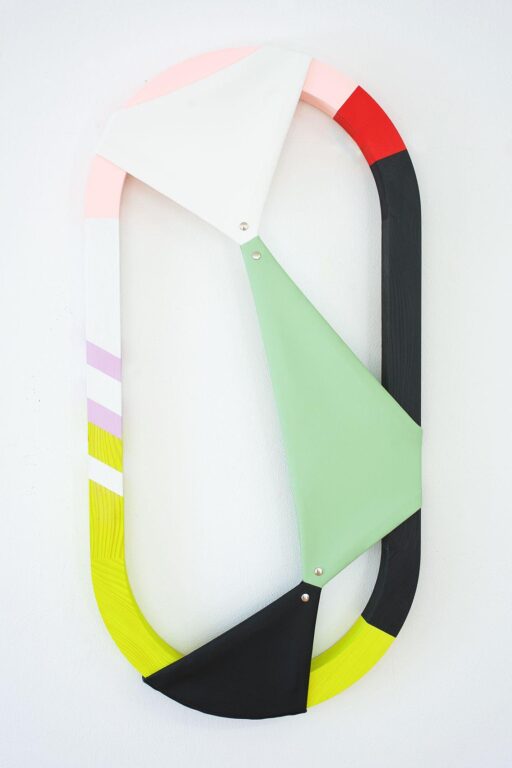
In den Werken der österreichischen Künstlerinnen Gabriele FULTERER und Christine SCHERRER, die seit 2007 als Duo zusammenarbeiten, treffen hölzerne Bildträger auf Kunstleder. Mit Hilfe von Ösen verschnüren und ummanteln FULTERER SCHERRER viereckige oder ovale Keilrahmen, spannen Riemen und Flächen über den ansonsten leeren Raum dazwischen. Die heitere Farbgebung von Neongelb bis Pastellrosa kontrastiert Assoziationen des Materials mit Fetisch und Sadomaso. Die Titel der Arbeiten verweisen auf Leiden („Pills“) und spielen mit Doppelbedeutungen: das Wort „Studs“ steht für Nieten und Stecker aller Art, ebenso für Sexprotze. So handeln FULTERER SCHERRER, wie sie sagen, „Fragen nach Dominanz, Kontrollverlust und Schmerz ab“.
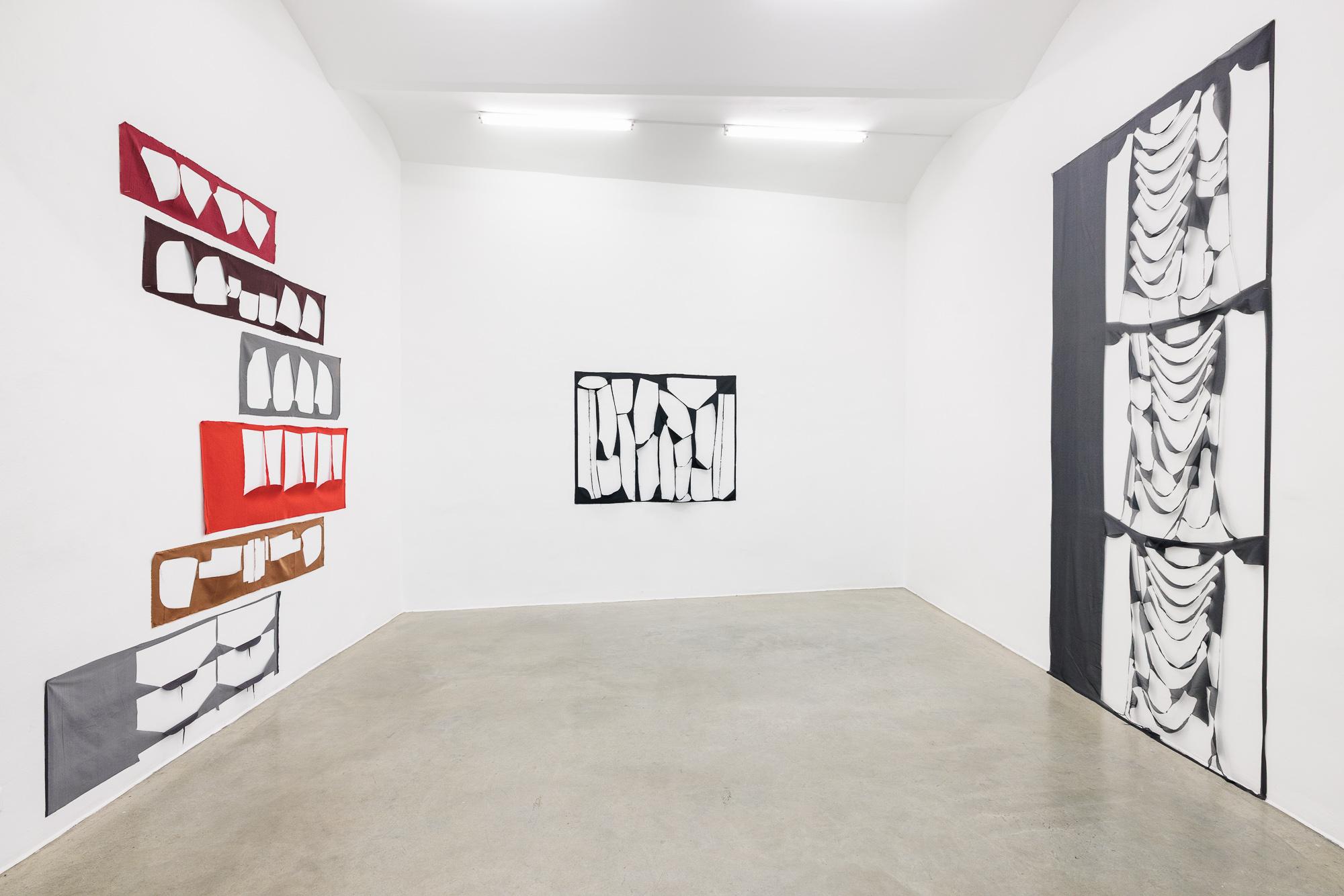
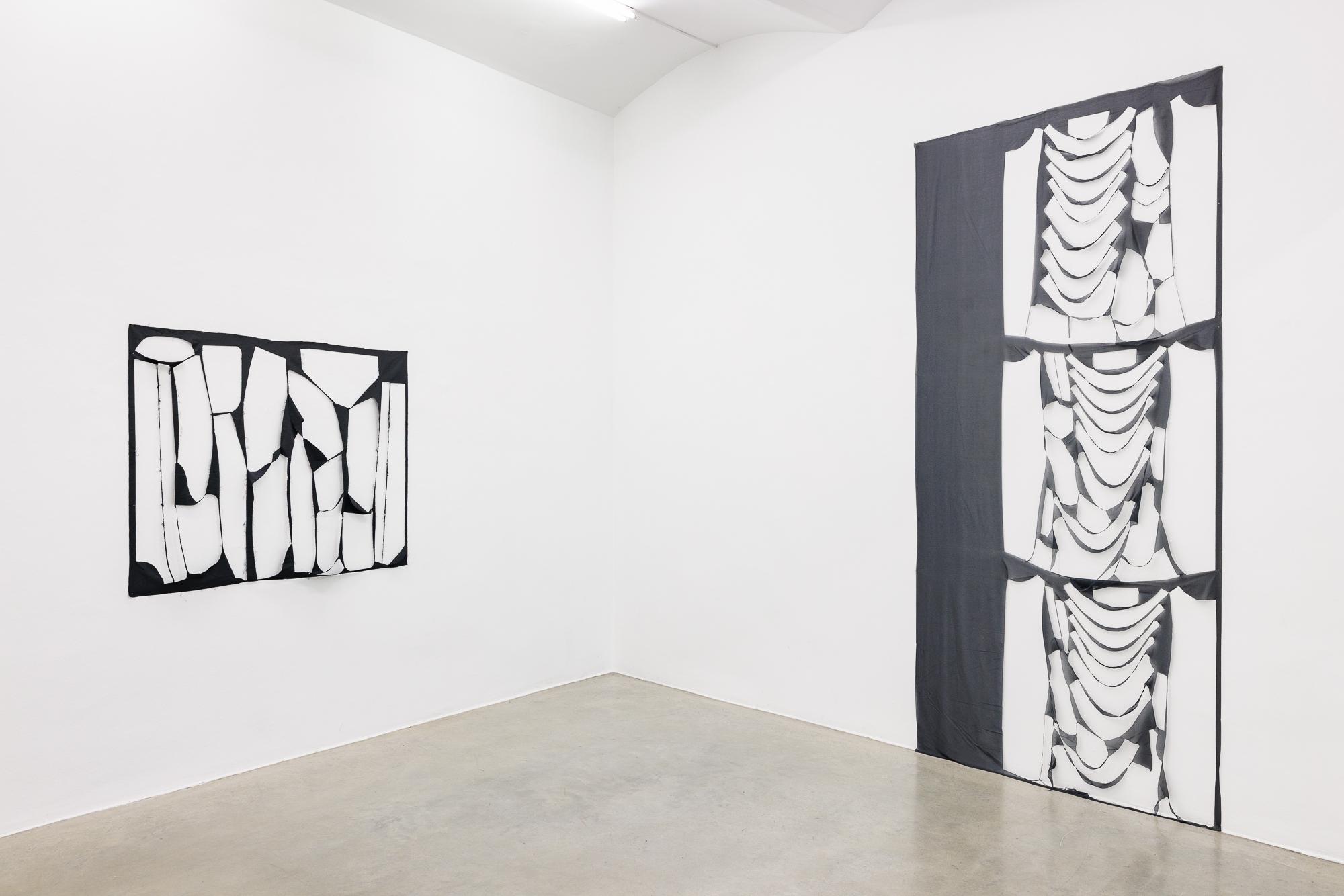
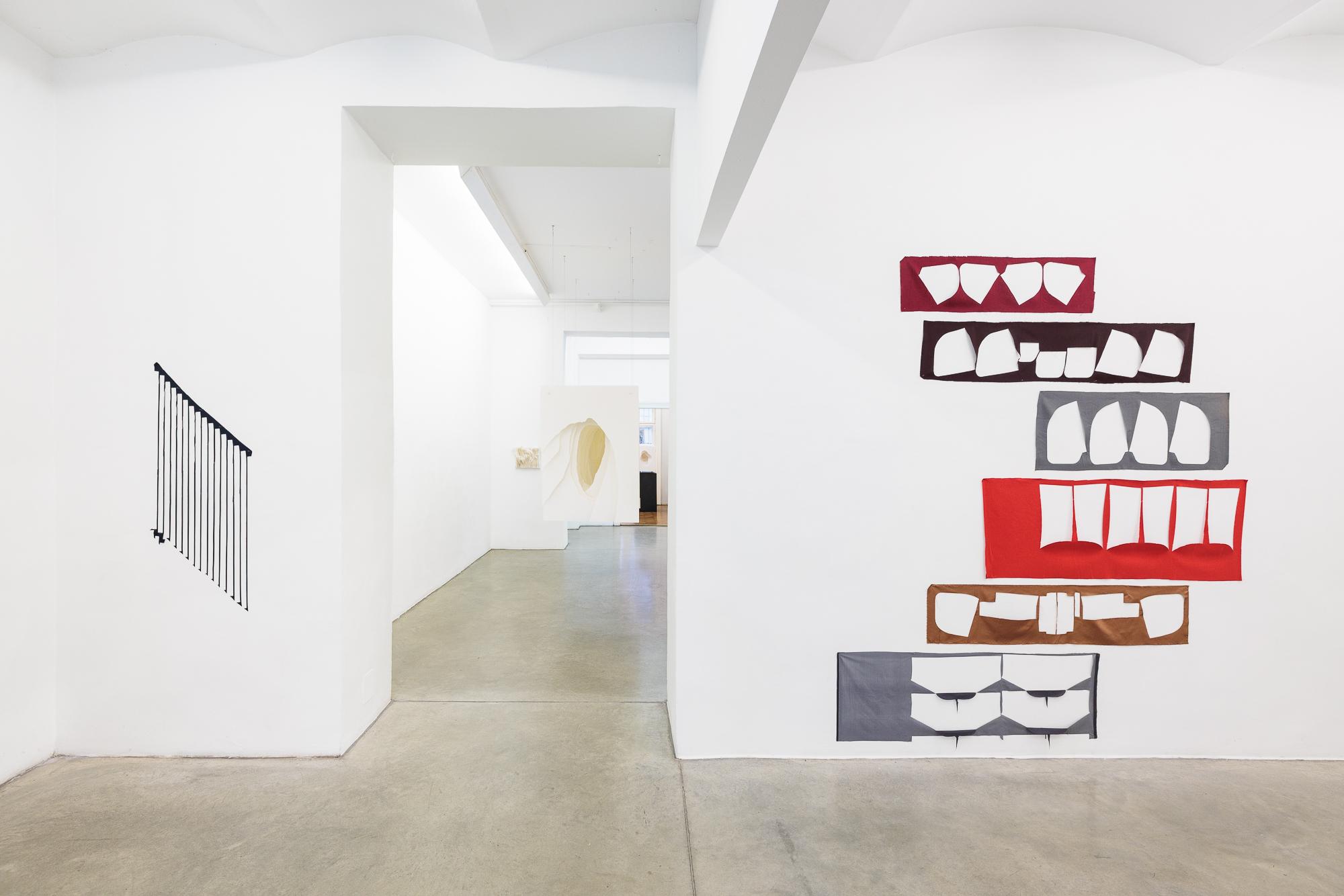
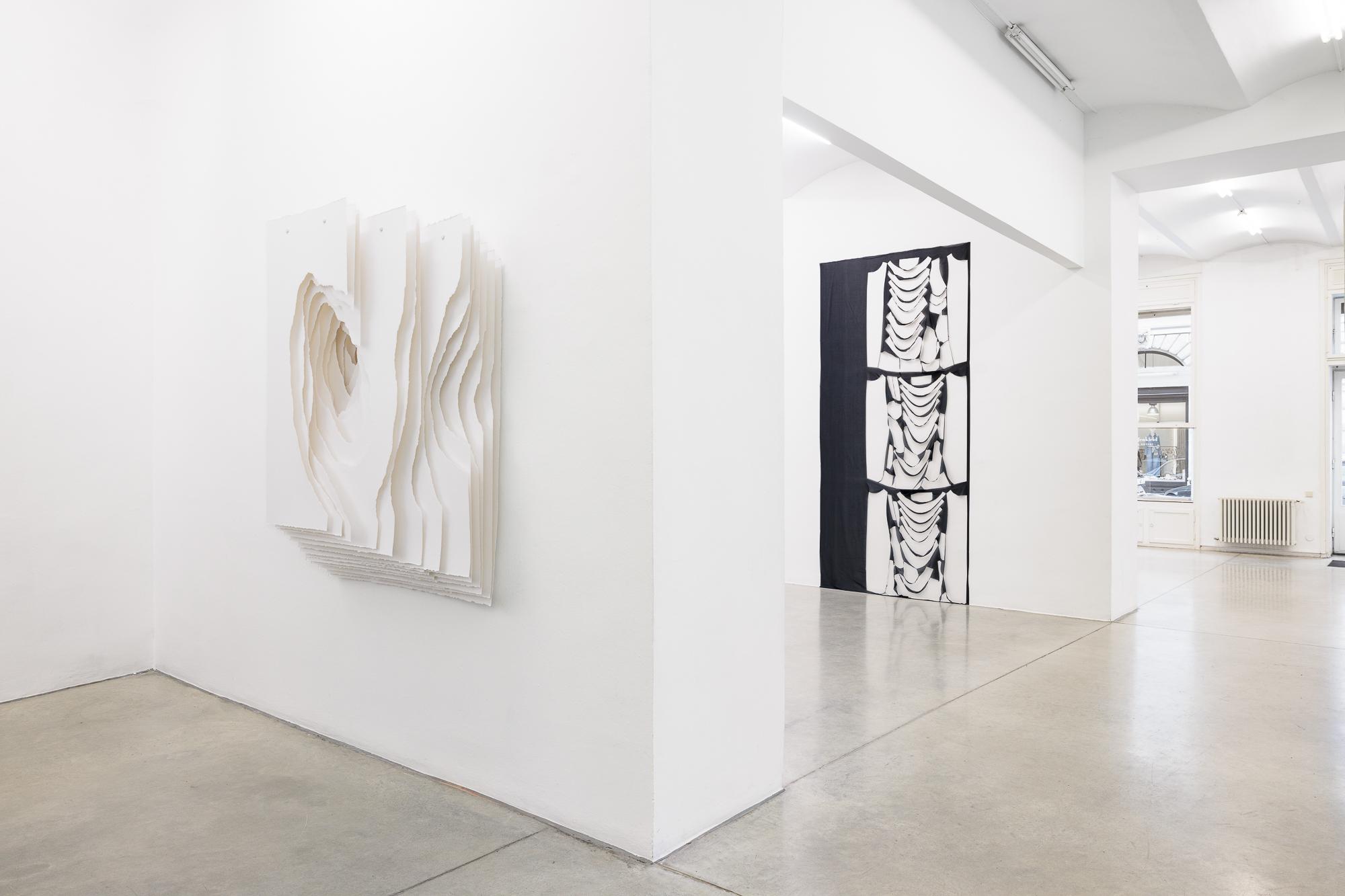
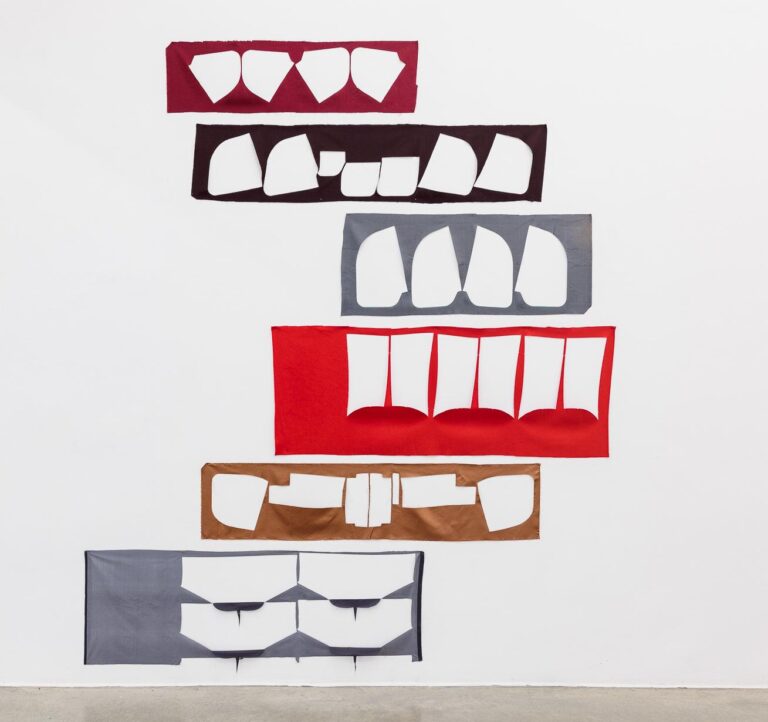
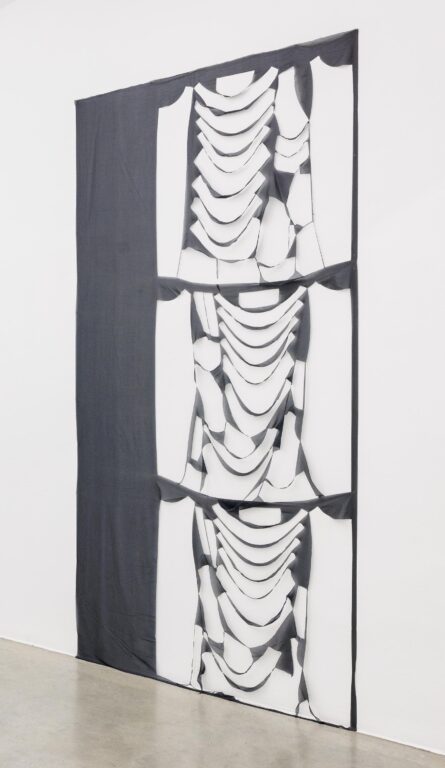
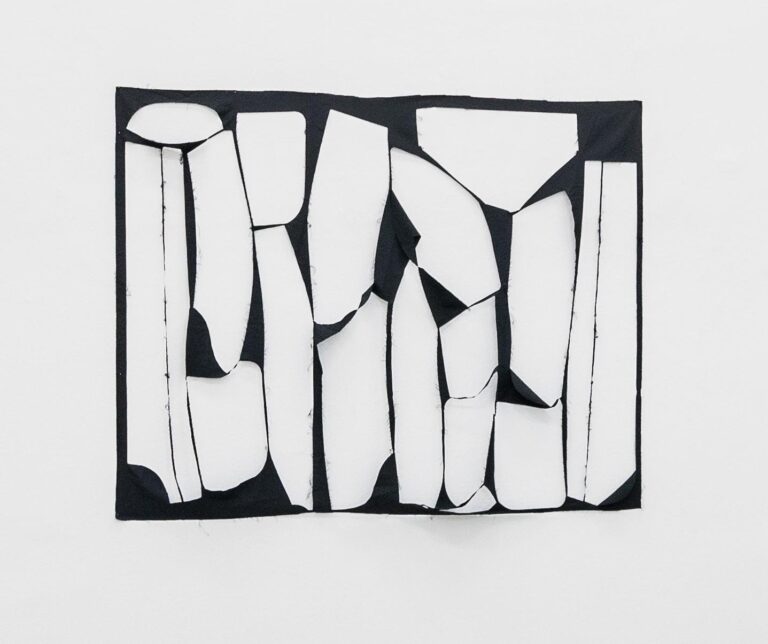
Bei Marion BARUCH rücken die Leerstellen ins Zentrum. Die Künstlerin, 1929 im rumänischen Timişoara geboren und heute in der Lombardei ansässig, verwendet Überbleibsel aus der Modeindustrie: Reste, die nach dem Ausschneiden der Stoffteile übrig bleiben. In ihren Wandarbeiten offenbart sie die Schönheit dieser Zufallskompositionen. BARUCH legt Lesarten jenseits des Abstrakten nahe: In einer Reihe sich verjüngender Stoffstreifen erkennt sie eine Windharfe („Arpa eolica“), in drei Rechtecken die Aufnahmen aus einer Fotobox („Monument au photomaton“). Martin Herbert schrieb darüber: „Like Rorschach blots or clouds they create spaces […] for the viewer to wander and dream in: an emptiness that feels full of potential.“
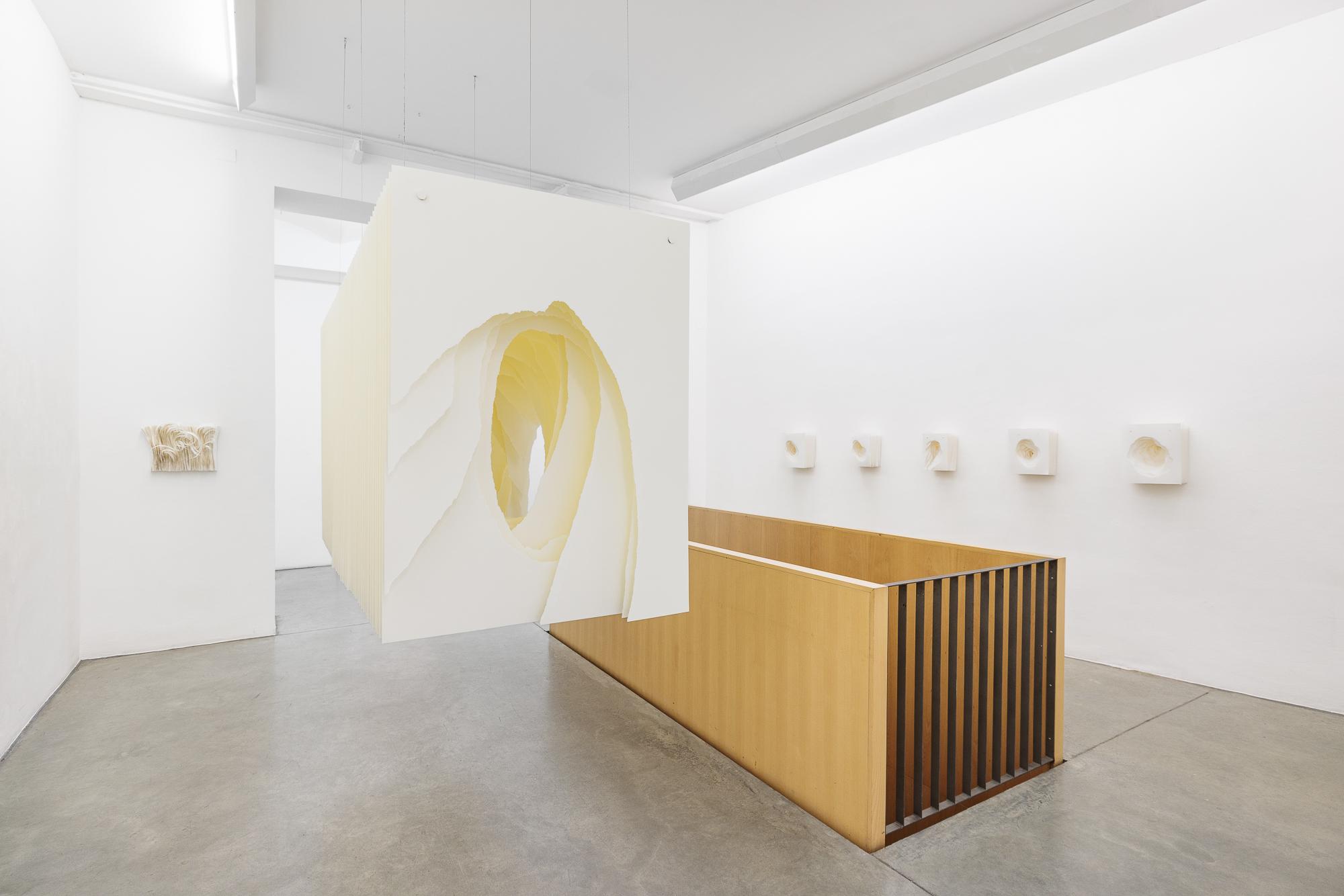
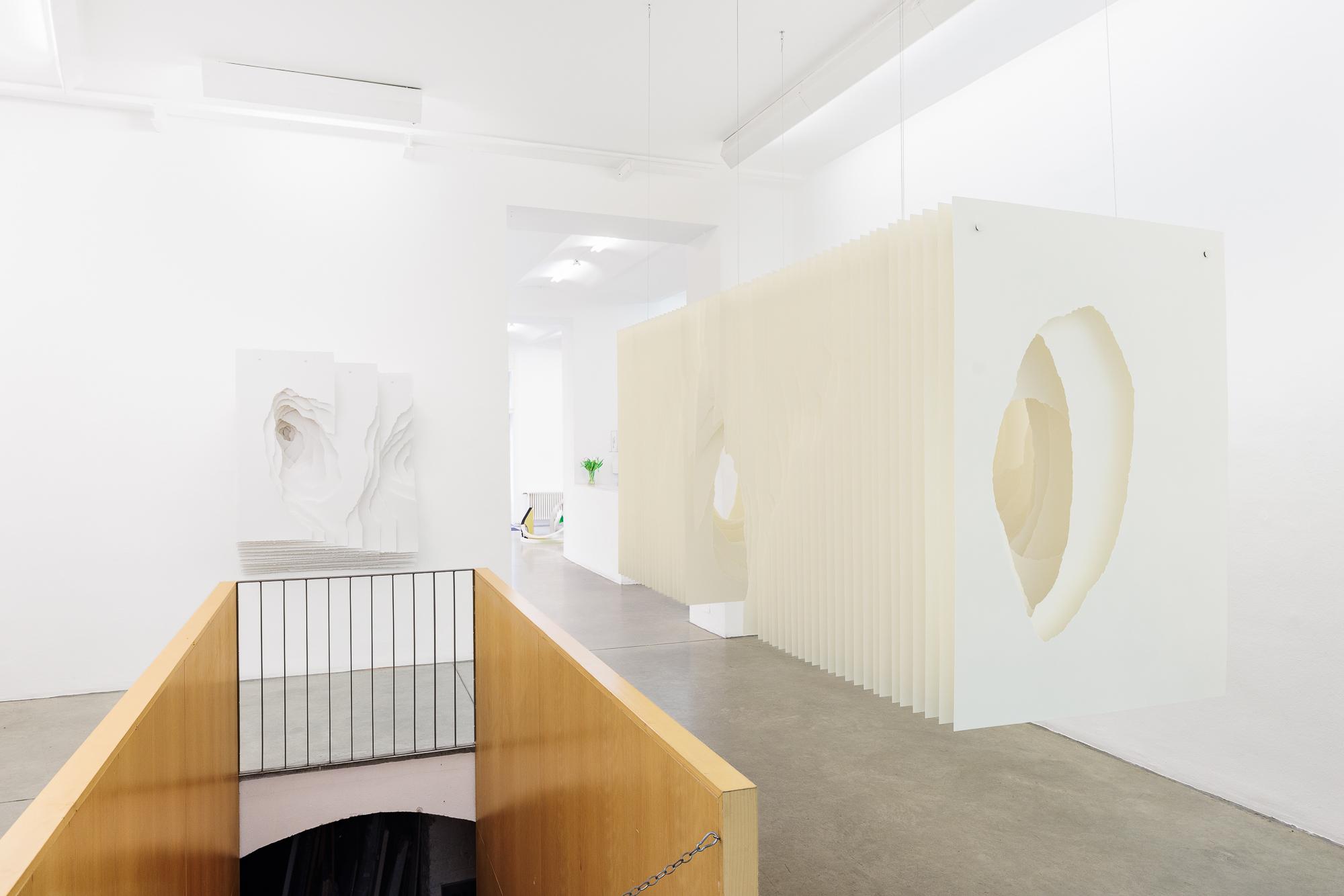
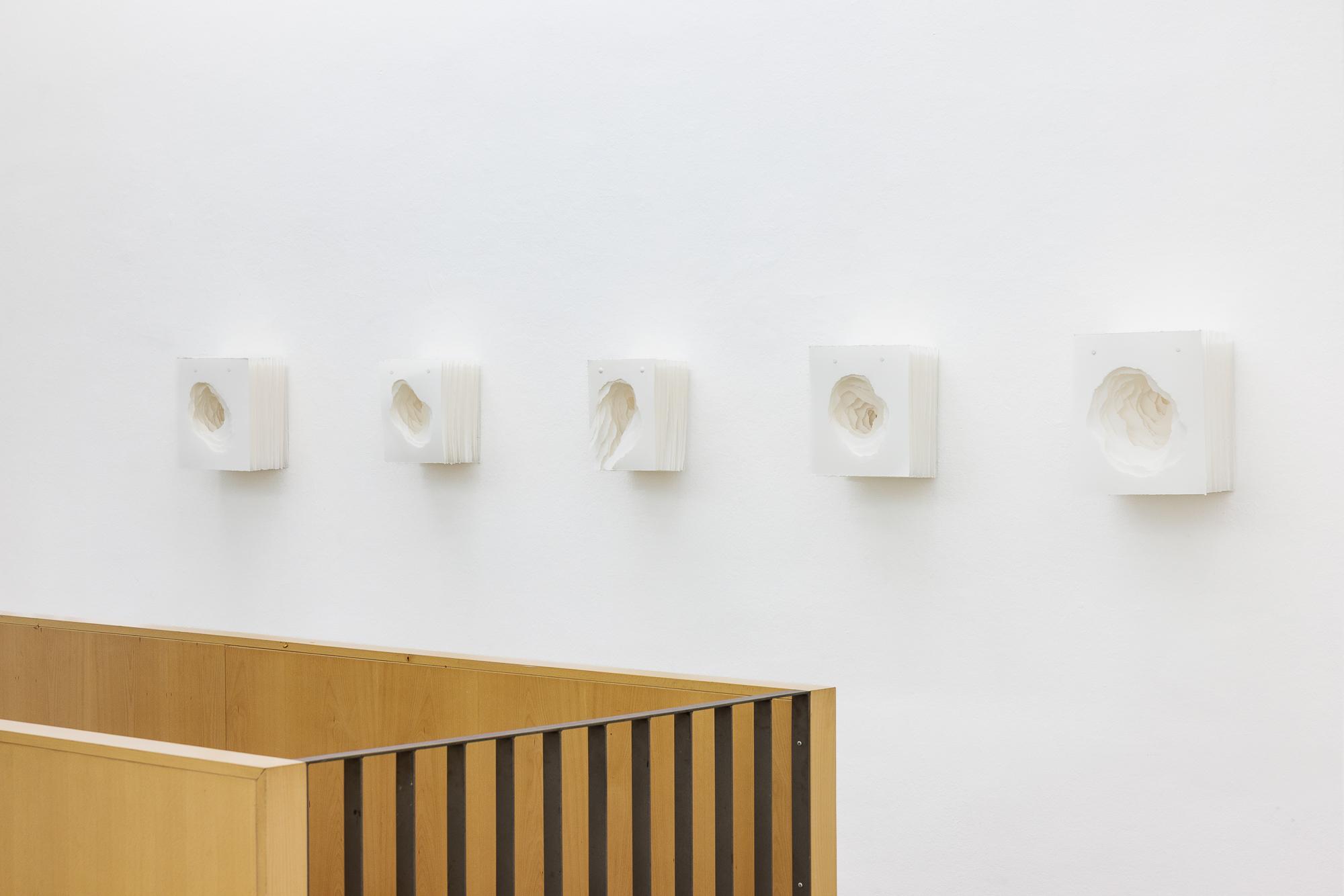
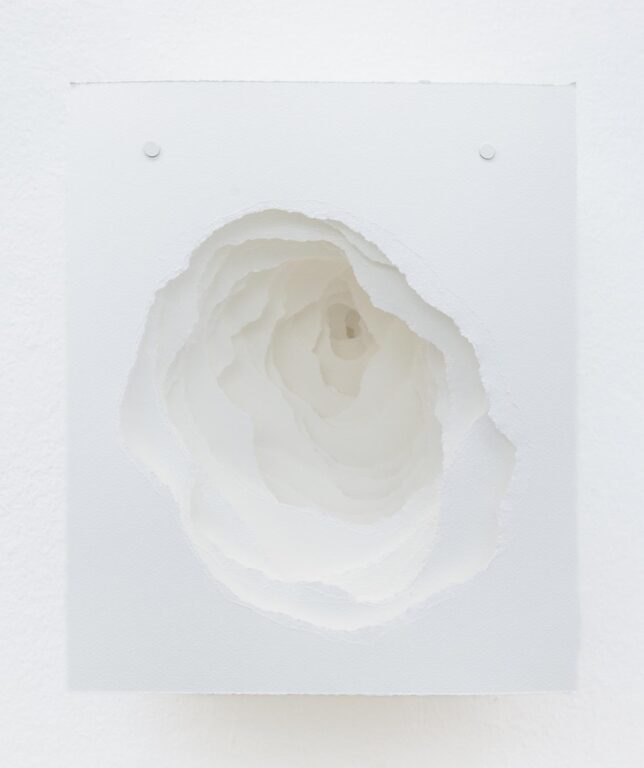
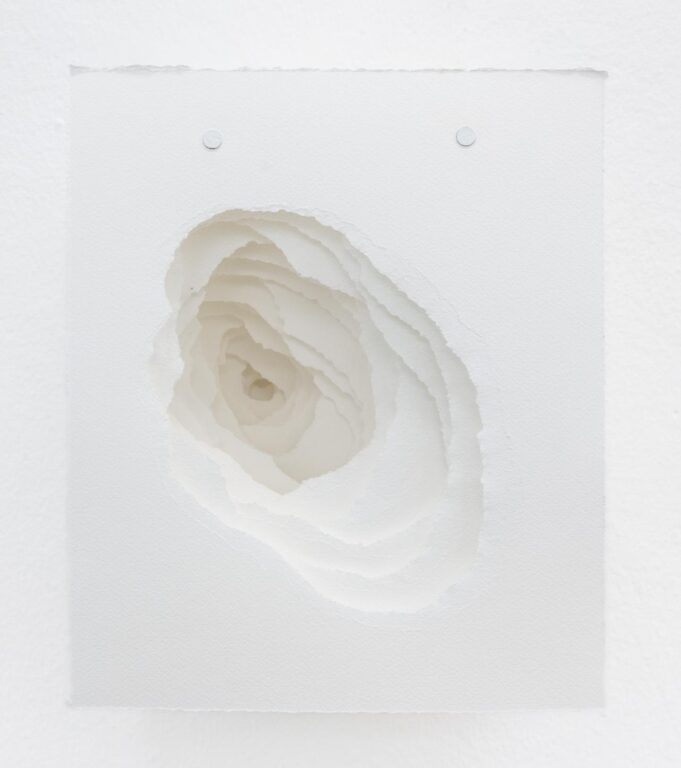
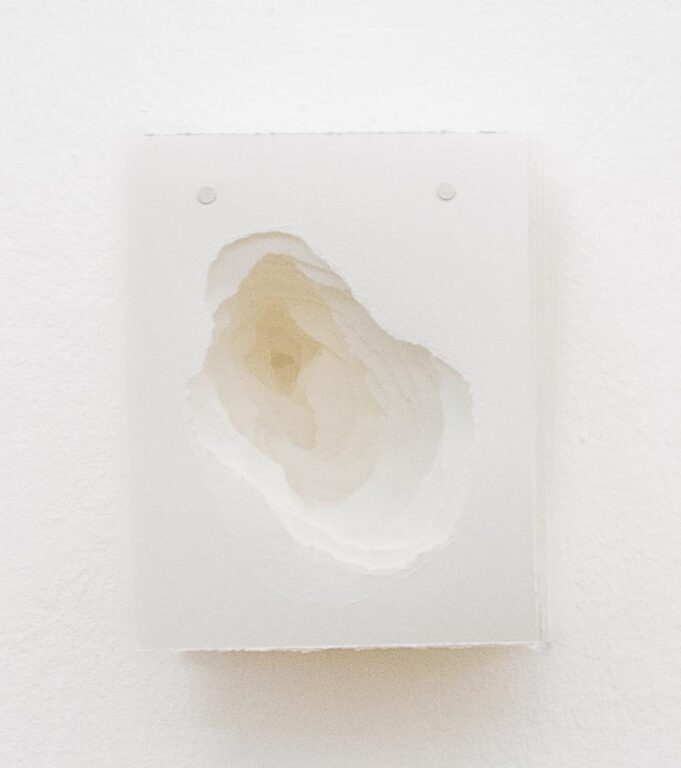
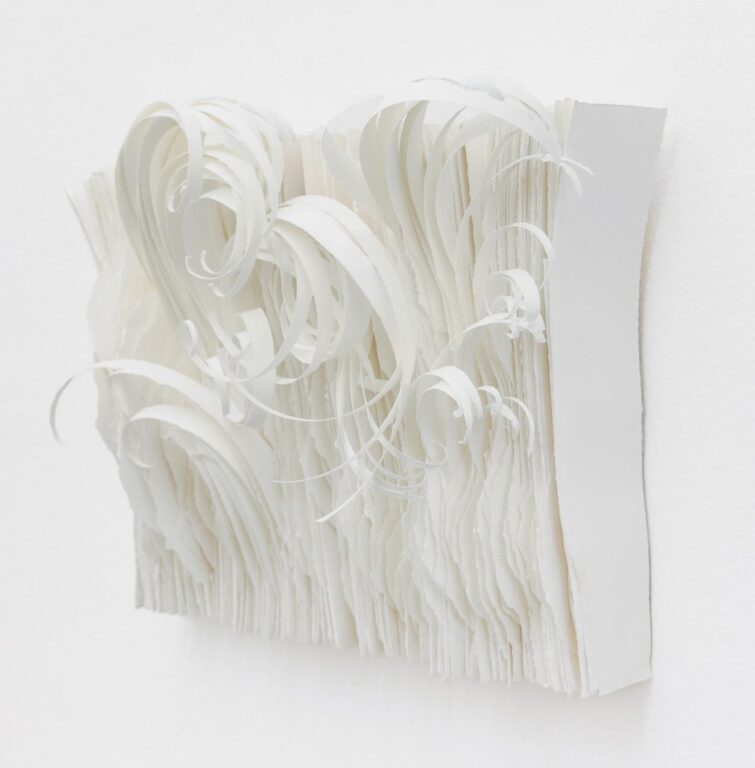
Bei Angela GLAJCAR (geb. 1970 in Mainz) fressen sich Leerstellen durch Papierstapel und verleihen ihnen dadurch Skulpturalität. Für ihre „Terforationen“ reißt die Künstlerin Löcher in Papierbögen; diese schichtet sie so übereinander, dass daraus Gebilde entstehen, die an Höhlen, Höhenschichten oder Gesteinsformationen erinnern. Durch das Reißen mit der Hand legt die Künstlerin die Struktur des Papiers offen, erzielt aber auch eine organische Wirkung. In Installationen wie 2009-069 Terforation vereint sich dabei das Monumentale mit dem Leichten. So gewinnt GLAJCAR dem scheinbar so neutralen Material Papier völlig neue Facetten ab.
(Text: Nina Schedlmayer, 2026)
—
With FULTERER SCHERRER, Angela GLAJCAR and Marion BARUCH, the Christine König Galerie unites artists from two generations who alternate between two- and three-dimensionality and work at the interface of diverse media and genres, thereby reflecting blanks and negative spaces.
In the works of the Austrian artists Gabriele FULTERER and Christine SCHERRER, who have worked together as a duo since 2007, wooden image carriers meet artificial leather. With the aid of grommets, FULTERER SCHERRER bind up and encase square or oval stretcher frames, and stretch straps and surfaces across the otherwise empty spaces. The bright colouration from neon yellow to pastel pink is in contrast to the associations of artificial leather with fetishization and sadomasochism. The titles of the works point to suffering (“Pills”) and play with double meanings: the word “Studs” stands for rivets and plugs of all kinds, yet also stands for sexual athletes. In this manner FULTERER SCHERRER address, as they say, “questions of dominance, loss of control, and pain.”
In Marion BARUCH’s works, the empty spaces move to the centre. The artist, born in 1929 in Romanian Timişoara and now resident in Lombardy (Italy), uses remnants from the fashion industry: vestiges that are left over after the fabric pieces have been cut. In her wall pieces, she reveals the beauty of these random compositions. BARUCH suggests interpretations beyond abstraction: in a series of tapering strips of fabric she recognises a wind harp (“Arpa eolica”), while in three rectangles she sees the images from a photo box (“Monument au photomaton”). Martin Herbert wrote, “Like Rorschach blots or clouds they create spaces […] for the viewer to wander and dream in: an emptiness that feels full of potential.”
In the creations of Angela GLAJCAR (b. 1970 in Mainz), empty spaces work through stacks of paper, thereby lending them a sculptural nature. For her “Terforations”, the artist tears holes in sheets of paper; she then stacks these up so that shapes emerge that are reminiscent of hollows, contour levels, or rock formations. By tearing the paper with her hands, the artist discloses the paper’s structure, yet also attains an organic impression. In installations such as 2009-069 Terforation she thereby unites the monumental with the lightweight. In this fashion, GLAJCAR achieves completely new facets for paper, a material which is seemingly so neutral.
(Text: Nina Schedlmayer, 2026)