
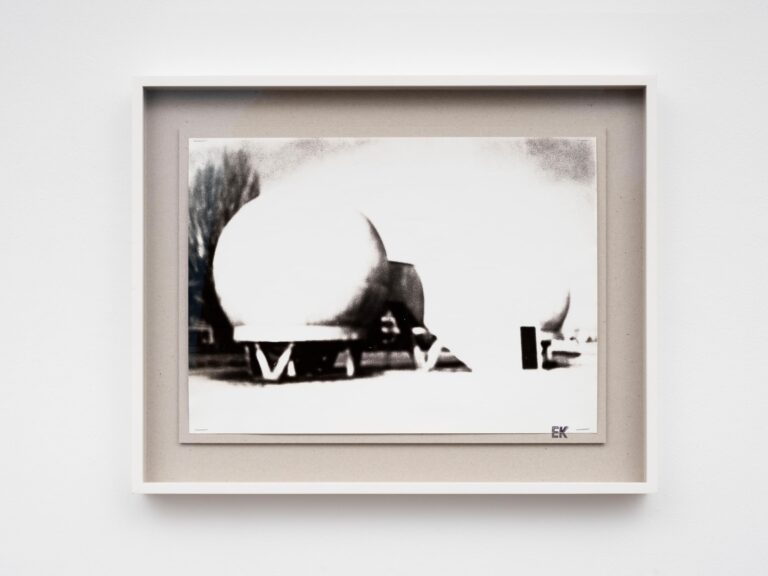
Das Interesse an der Fotografie bewegte sich von Beginn an zwischen zwei Polen. Auf der einen Seite stand der Anspruch, mithilfe des fotografischen Apparats ein objektives Abbild und ein Sehen der Welt zu ermöglichen, das über die Fähigkeiten des menschlichen, täuschungsanfälligen Sehsinns hinausgeht. Auf der anderen Seite wurden mit experimentellen Vorgehensweisen im physikalisch-chemischen Fotoverfahren Bilder erzielt, die Paranormales, sprich Geisterhaftes, nachweisen sollten. Betrachtet man Erwin Kneihsls Fotografien, so wird einmal mehr deutlich, dass diese Pole zusammenwirken. Wir sehen Dinge und Lebewesen in physischer Folgerichtigkeit des Lichtabdrucks. Gleichzeitig lassen der oft starke Schwarz-Weiß-Kontrast, die gezielte Unschärfe und die grobe Körnung – das fotografische Rauschen – das vermeintlich transparente Medium als alchemistischen Vorgang erscheinen. In ihm werden die intersubjektiven Vorstellungsbilder des Künstlers im eigens beschworenen Geist der Fotografie sichtbar.
Kneihsl, 1952 in Wien geboren und dort Ende der 1960er-Jahre in der Höheren Graphischen Lehr- und Versuchsanstalt zum Fotografen ausgebildet, geht Anfang der 1970er-Jahre nach Berlin, wo er sich als Performer, Maler und Filmemacher betätigt, mit Autoren und anderen Künstlern kollaboriert und den legendären Club SO36 in Kreuzberg mitbegründet. Spätestens Ende der 1990er-Jahre verschreibt er sich erneut ganz der Fotografie und erstellt auf Basis eingehender Recherchen umfangreiche Serien, die teilweise in handgefertigten Künstlerbüchern präsentiert werden. Vor diesem Hintergrund entwickeln sich die Grundzüge von Kneihsls Arbeit: ein virtuoser Einsatz klassischen Handwerks und Anknüpfung an bestimmte Avantgarden von Konstruktivismus und Surrealismus bis hin zum Punk.
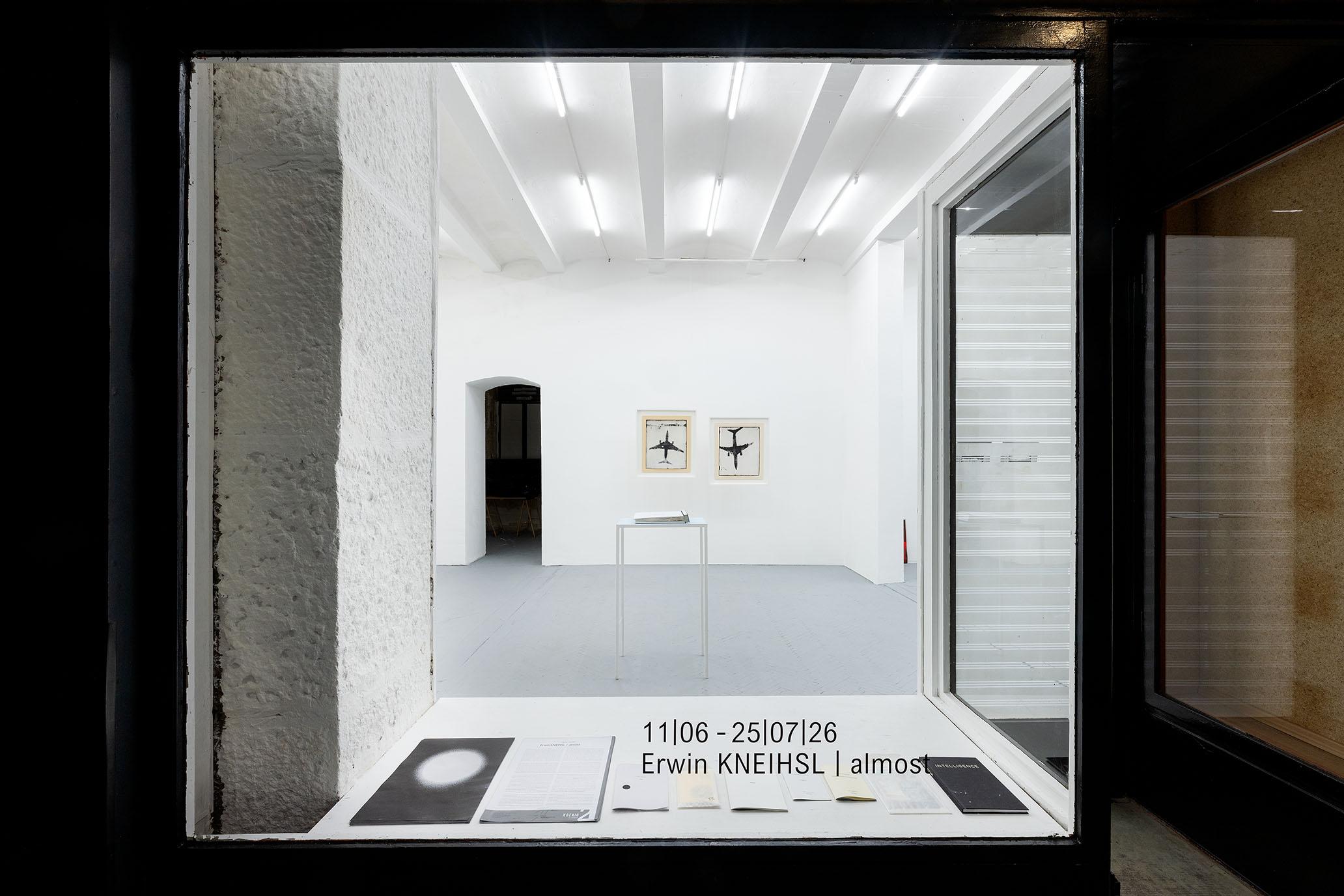
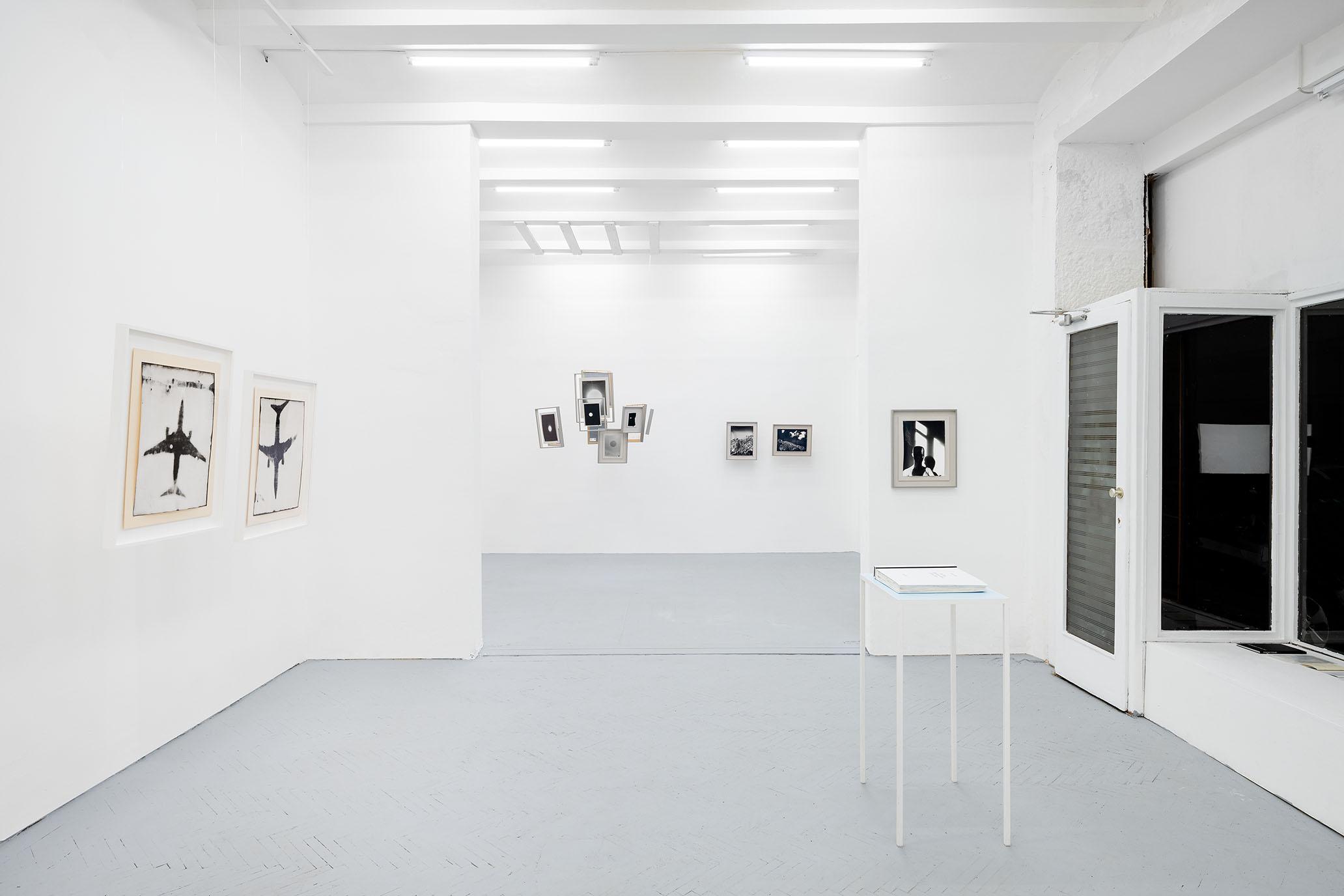
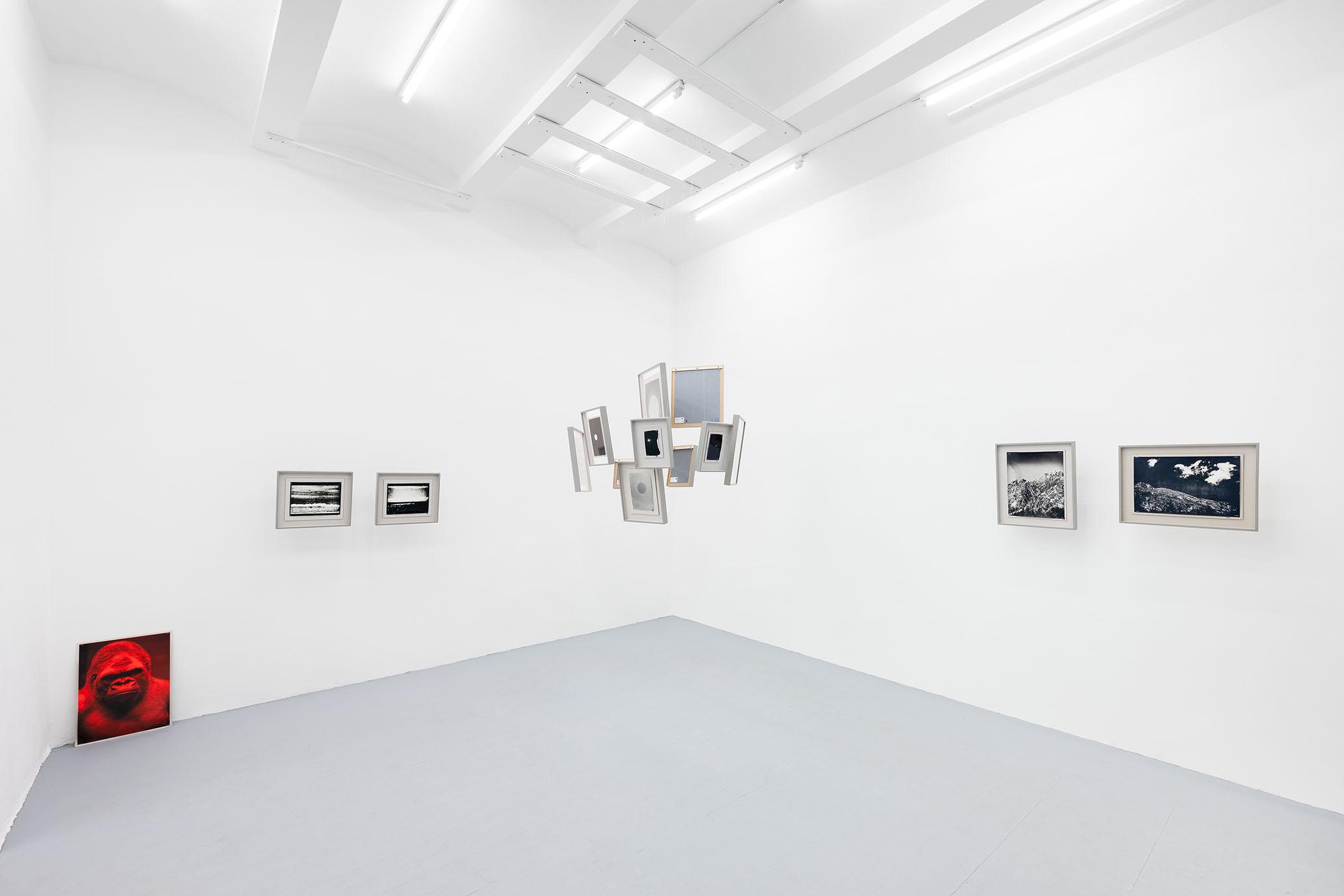
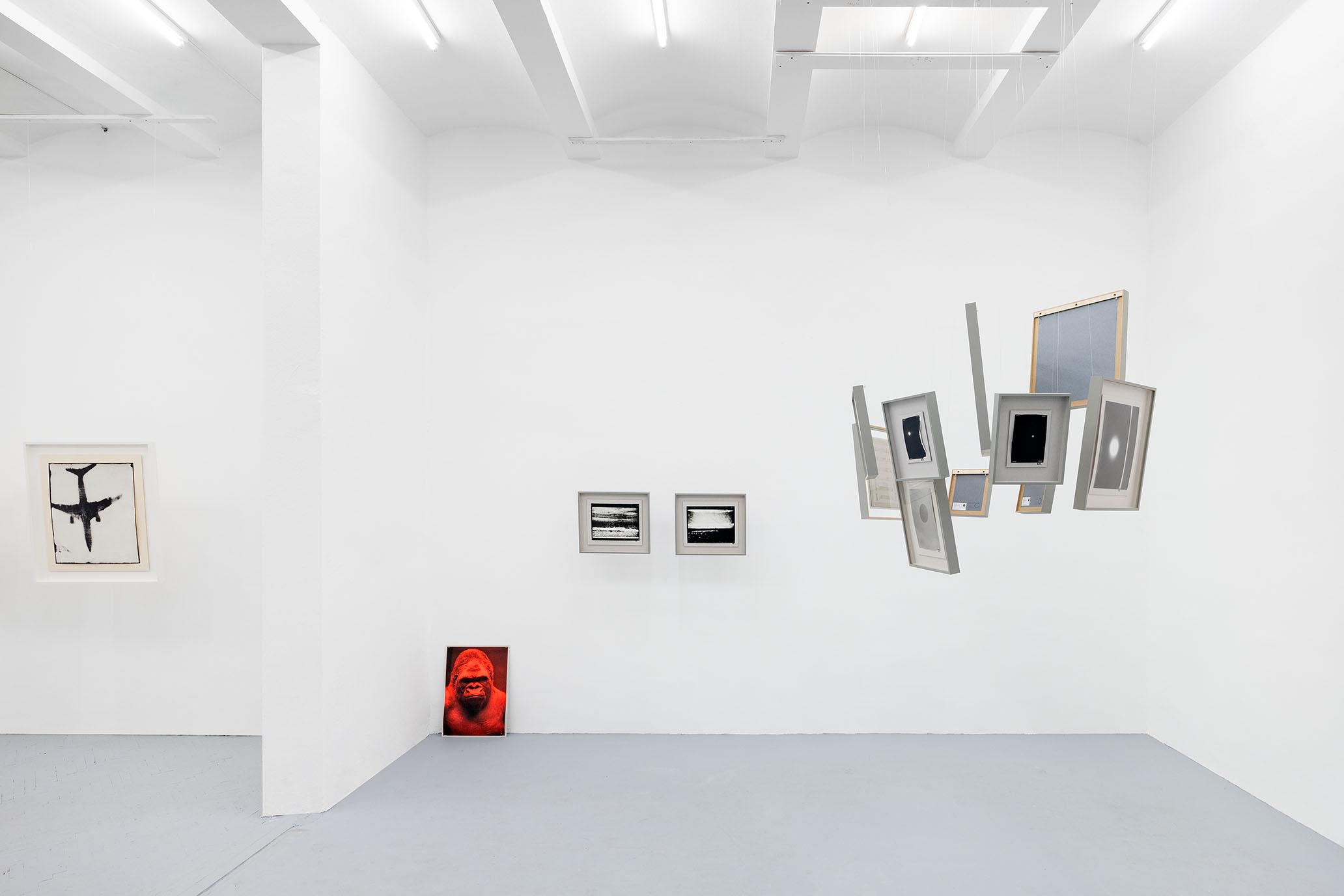
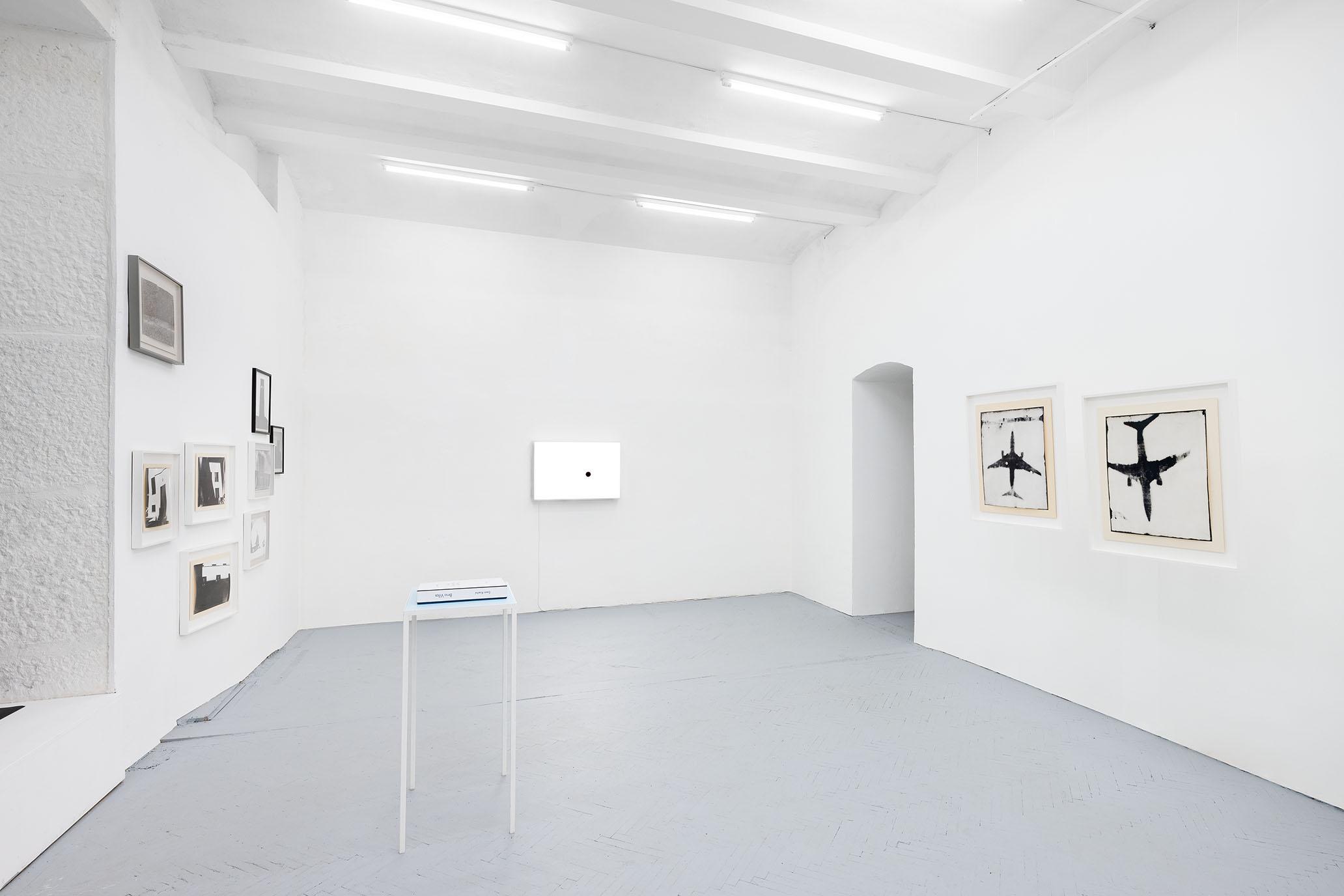
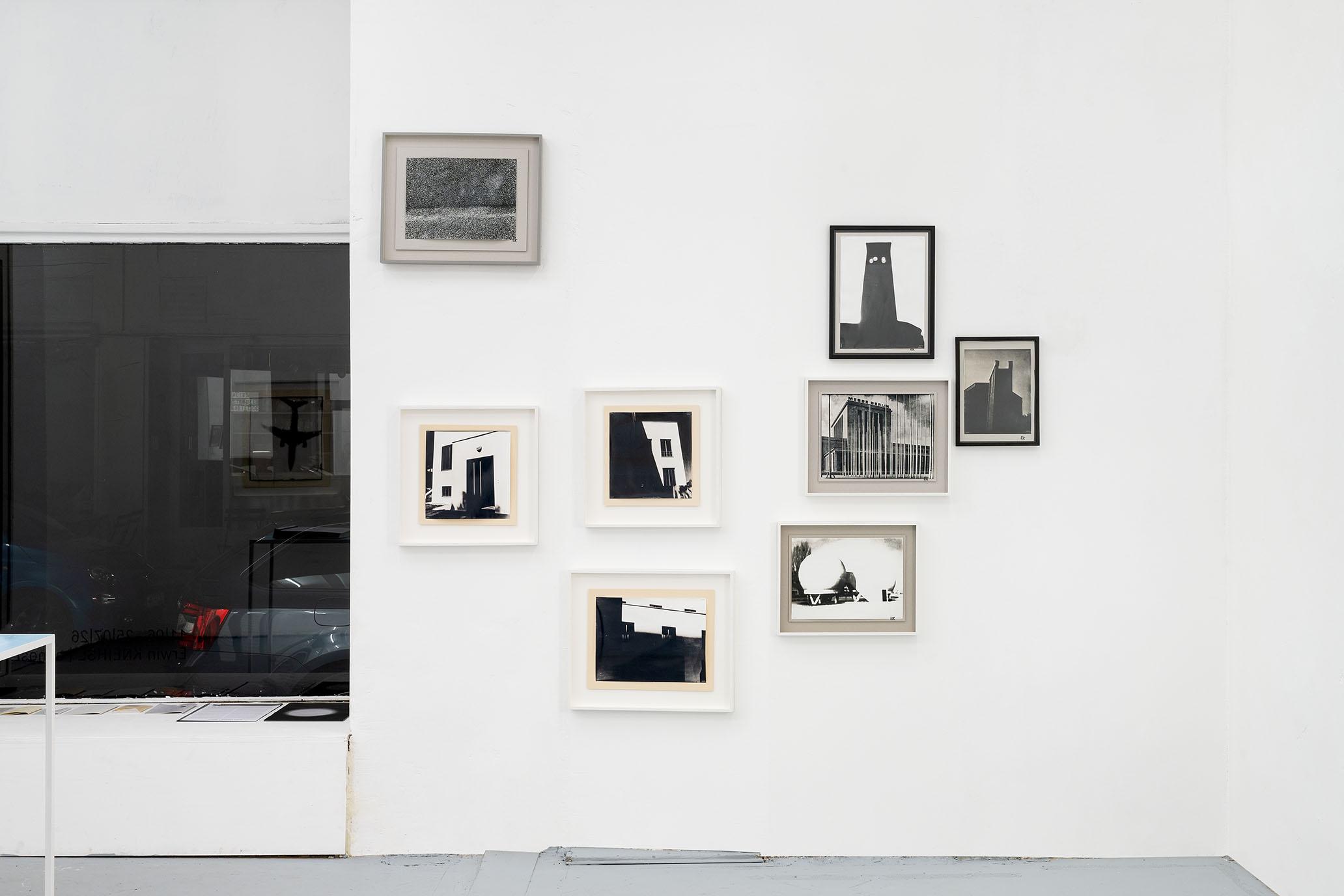
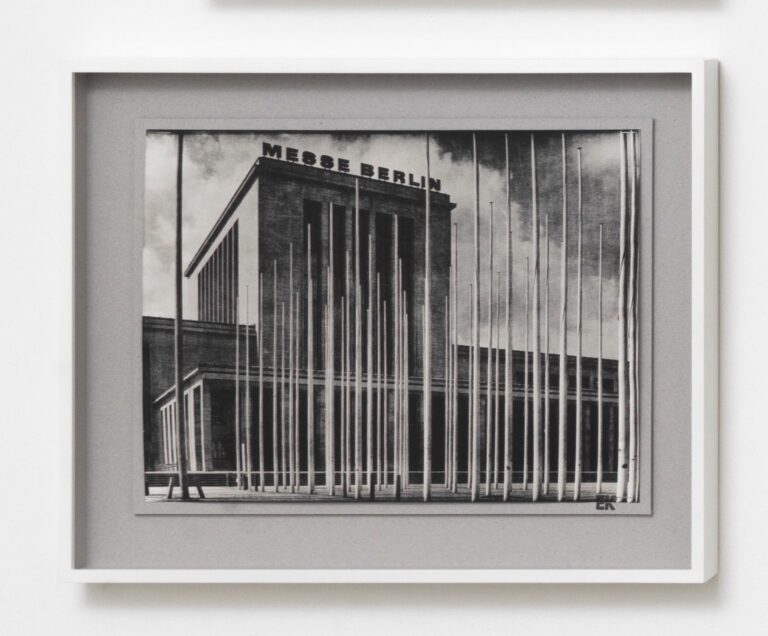
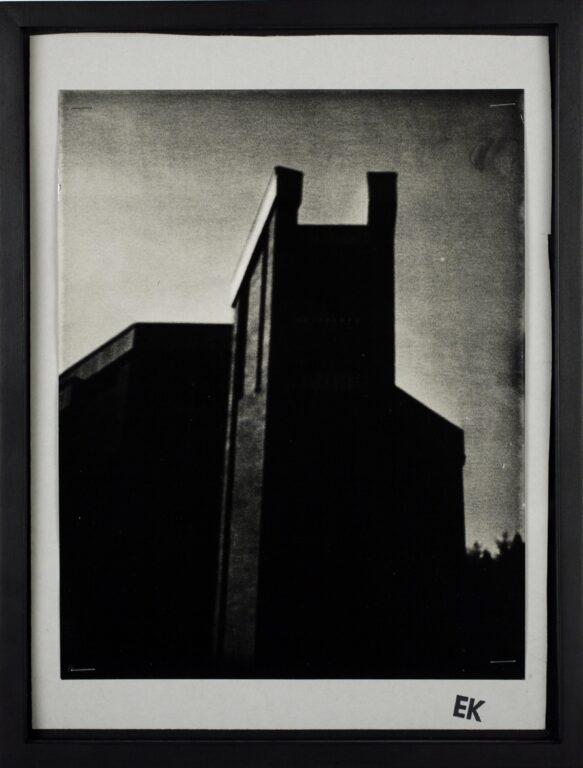
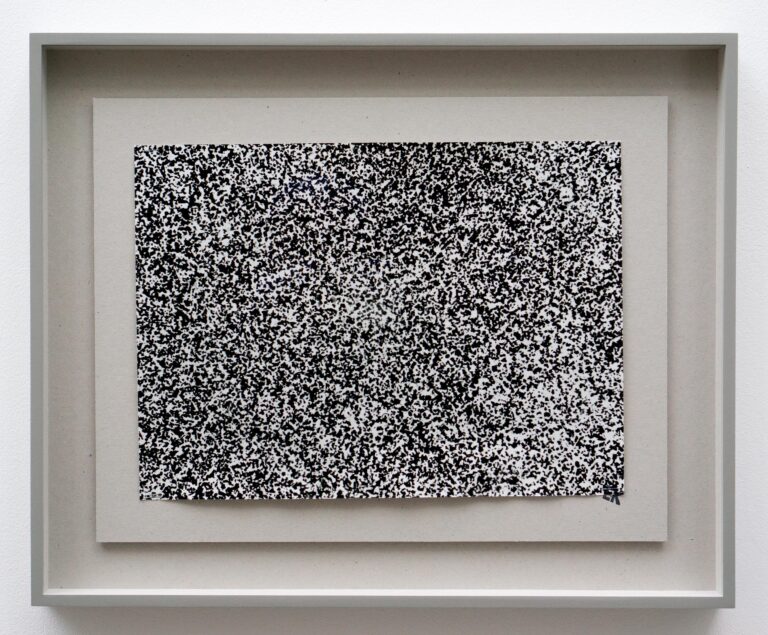
Diese erste Wiener Einzelausstellung des seit einigen Jahren wieder in seiner Heimatstadt ansässigen Künstlers versammelt für ihn typische Motive: Architektur (darunter das Haus Wittgenstein in Wien und das Hauptgebäude der Messe Berlin aus den 1930er Jahren), Schaufensterpuppen und Sonnen; daneben werden abstrakte Körnungsbilder der Serie Silver sowie neue Fotografien von Wolken gezeigt.
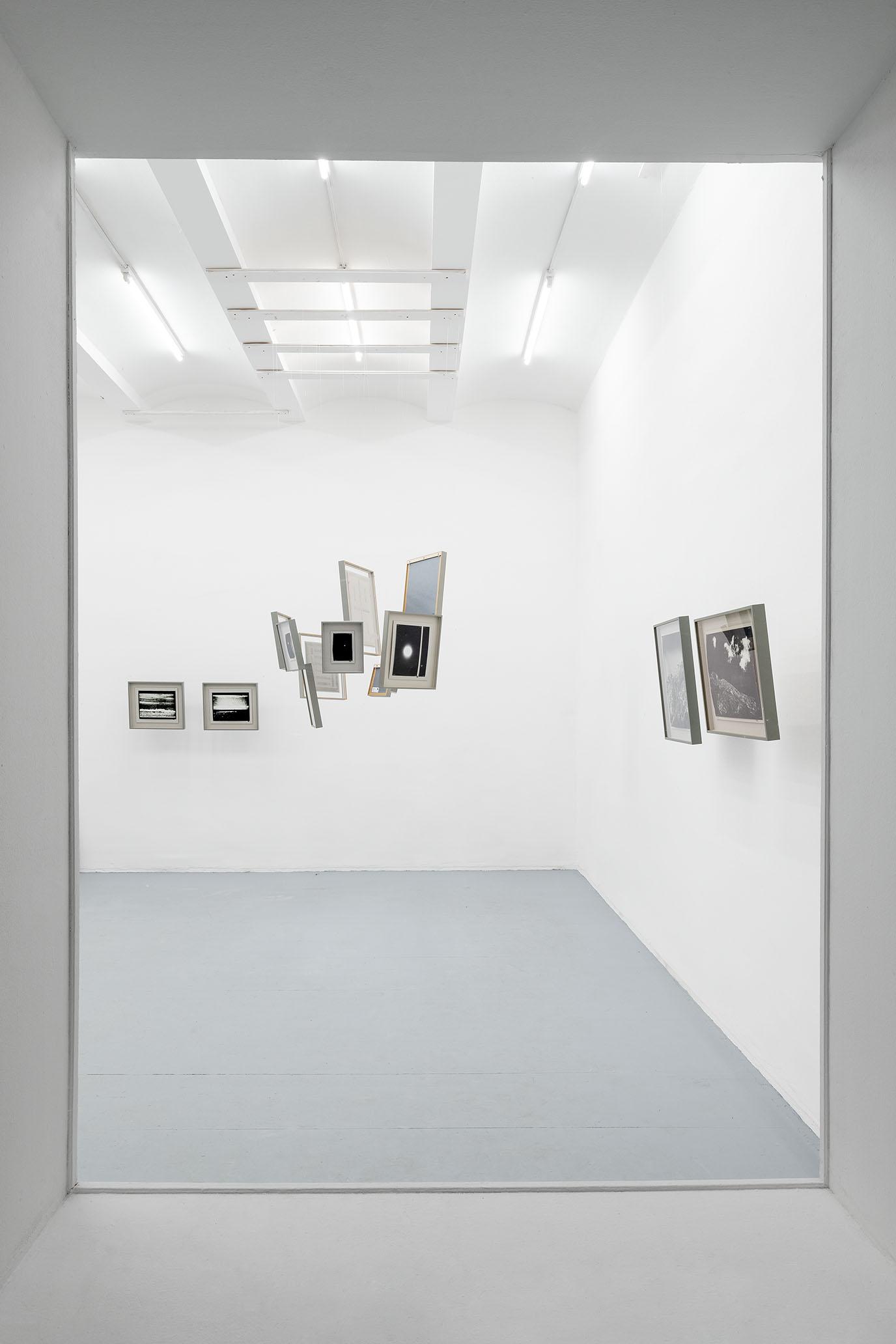
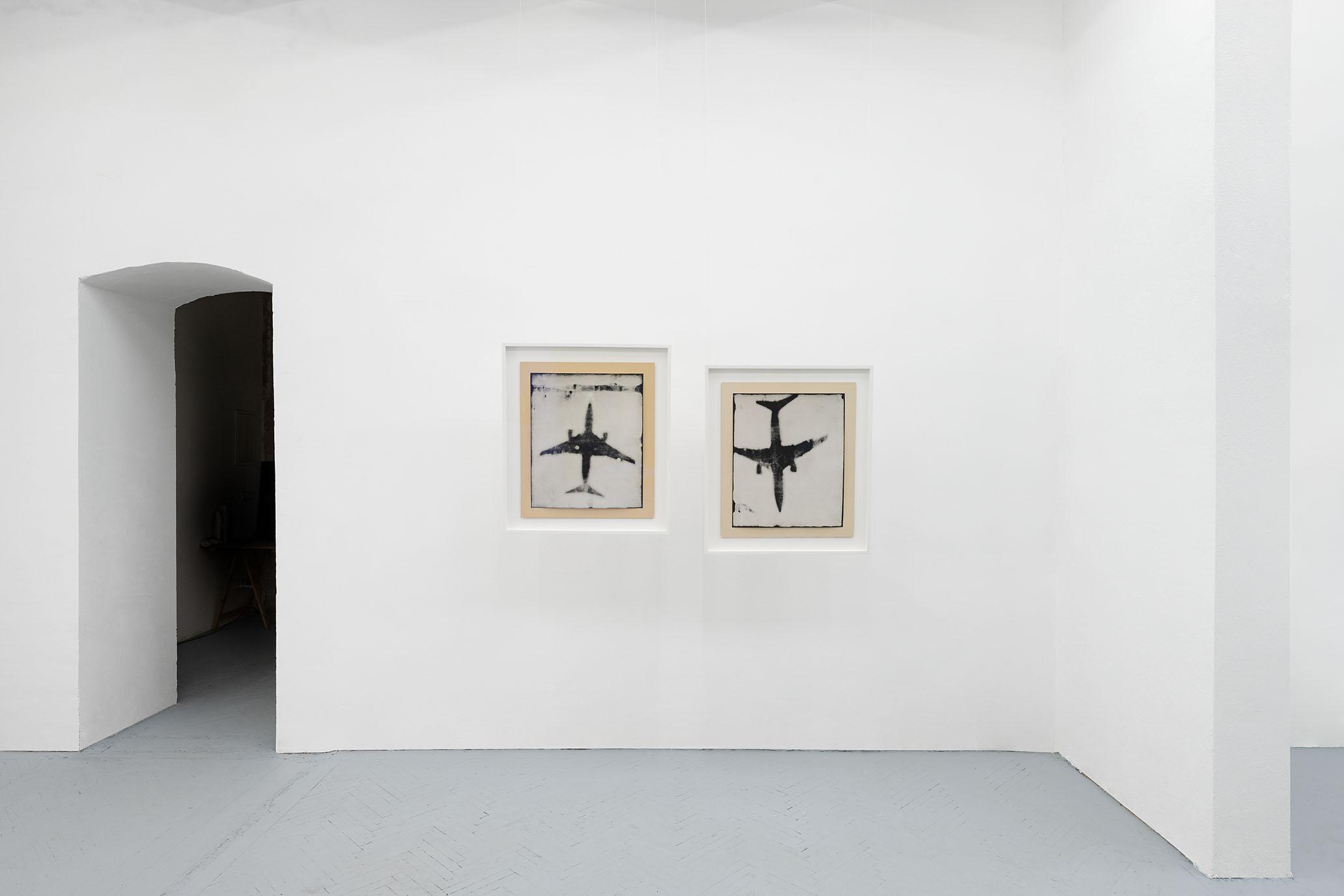
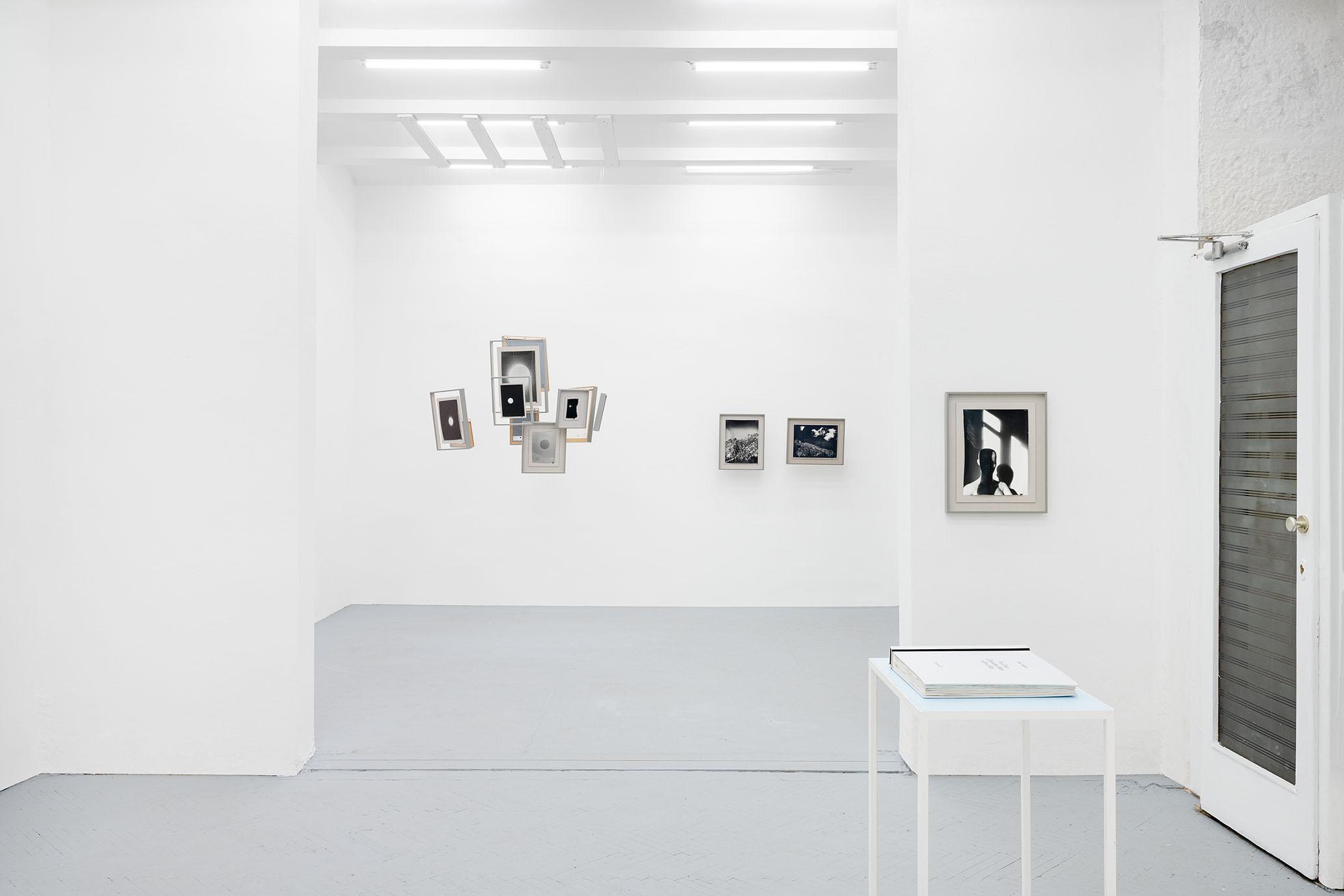
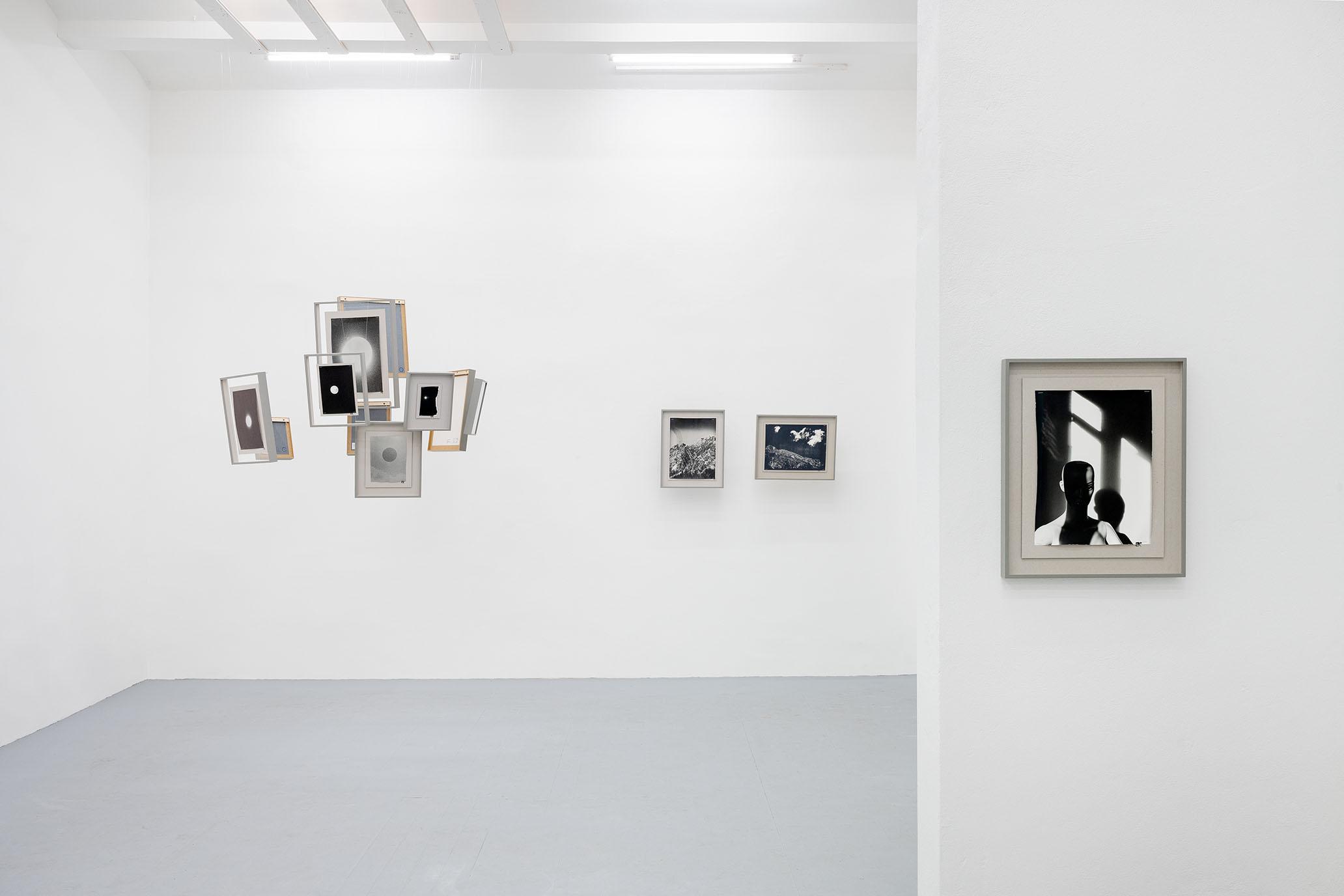
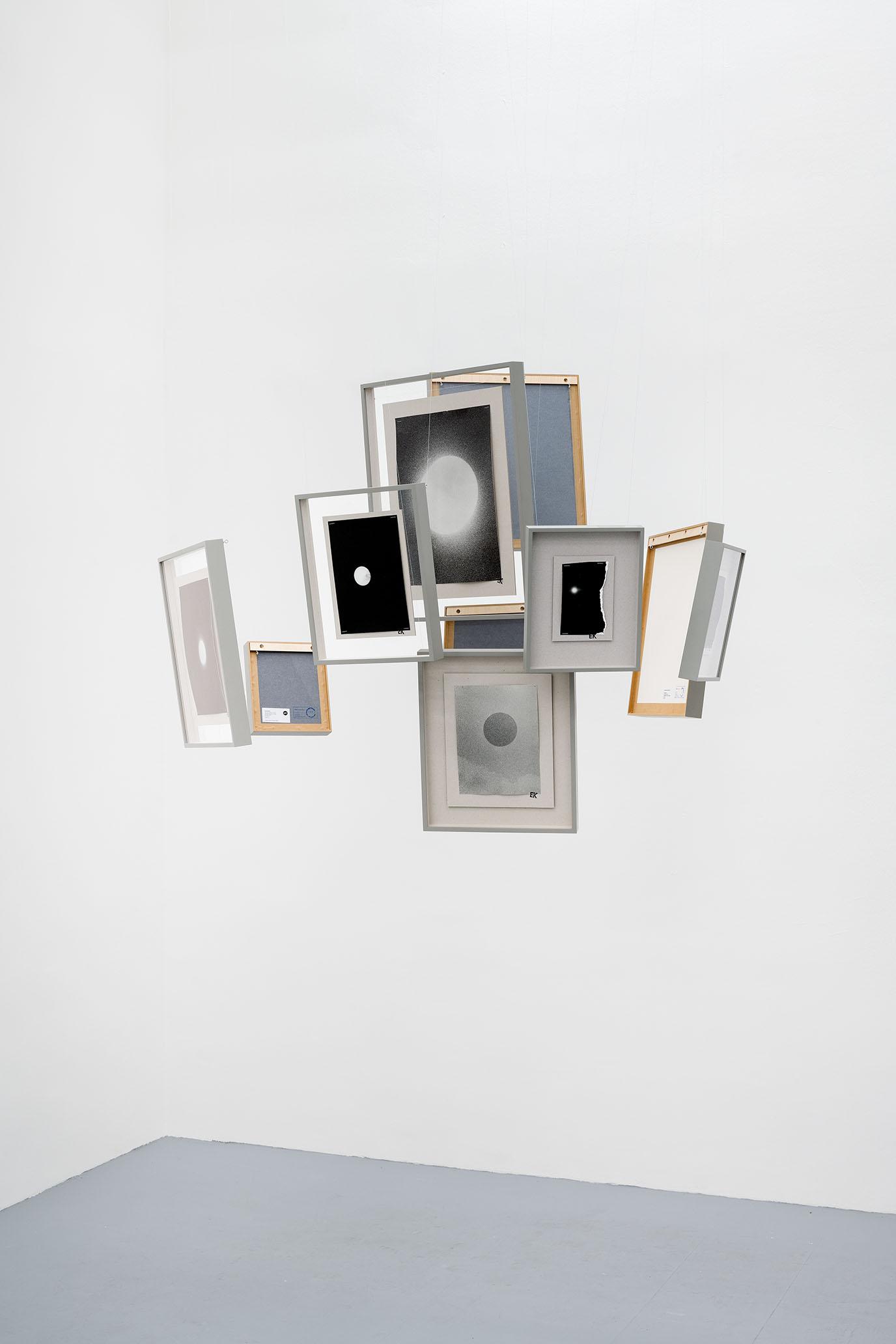
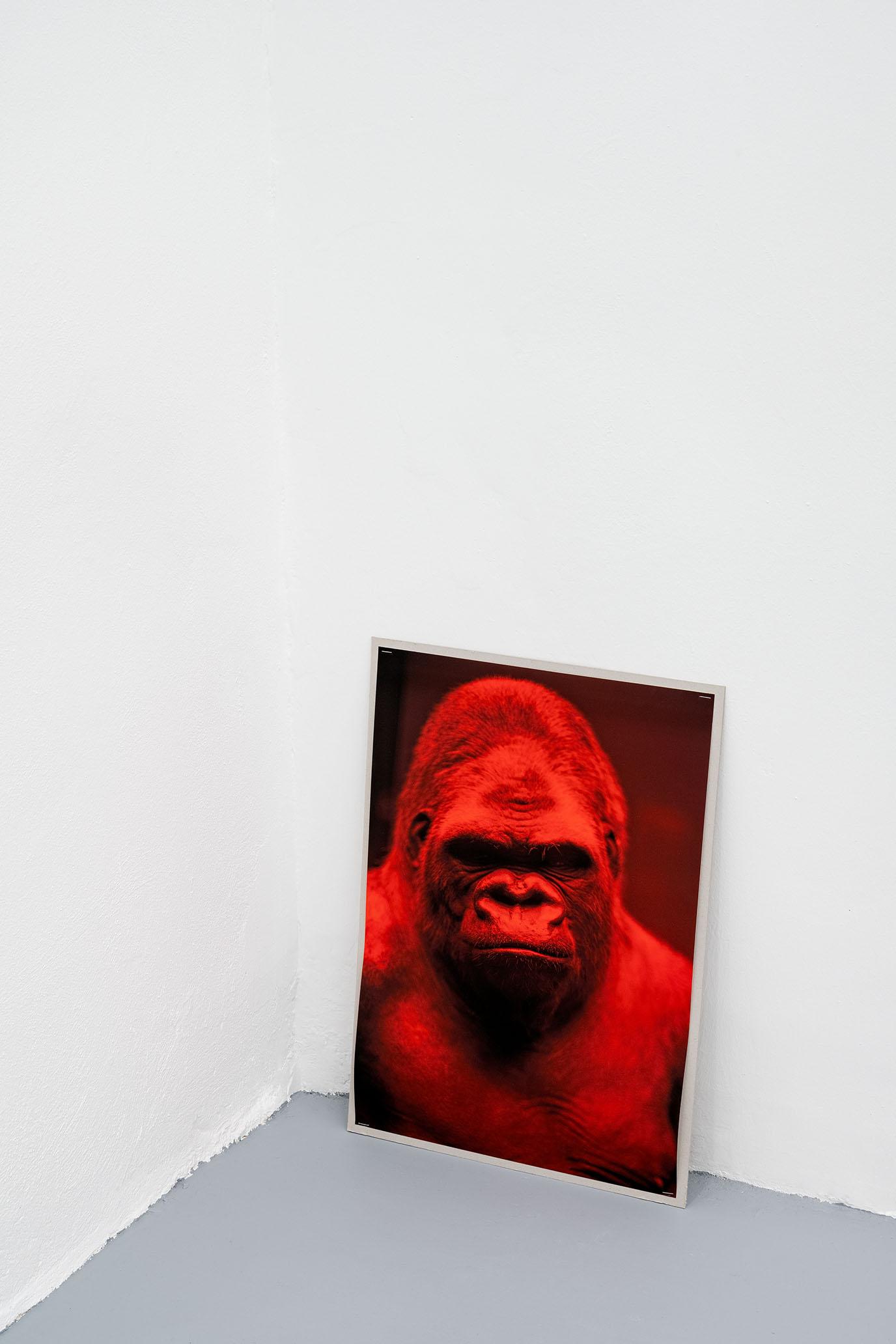
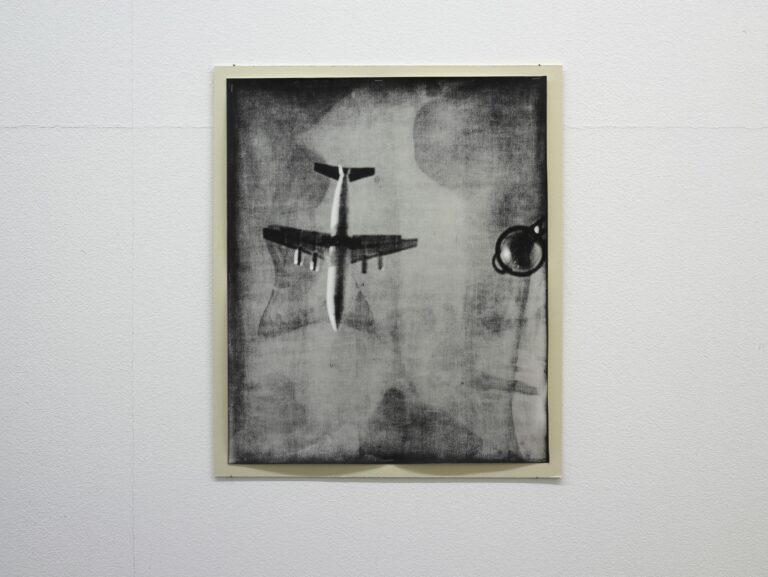
Alle ausgestellten Arbeiten (bis auf den Gorilla auf rotem Papier) sind analoge, schwarz-weiße Silbergelatine-Handabzüge, die Kneihsl in experimentellen chemischen Prozessen in der eigenen Dunkelkammer entwickelt. Wie immer hat er die Unikate mit Heftklammern auf Graupappe montiert, mit seinen Initialen gestempelt und dann hier in der Galerie teilweise frei von der Decke hängend installiert. Neben Großbild- und Mittelformatkameras verwendet der Künstler bisweilen auch handliche Kleinbildapparate, etwa wenn er sämtliche katholischen Kirchen in der Berliner Diaspora fotografiert. Dabei sind die teils bewusst unterbelichtet, in rodtschenkoesker Untersicht aufgenommenen Bauten in der Summe zwar vollzählig, doch alles andere als dokumentarisch festgehalten.
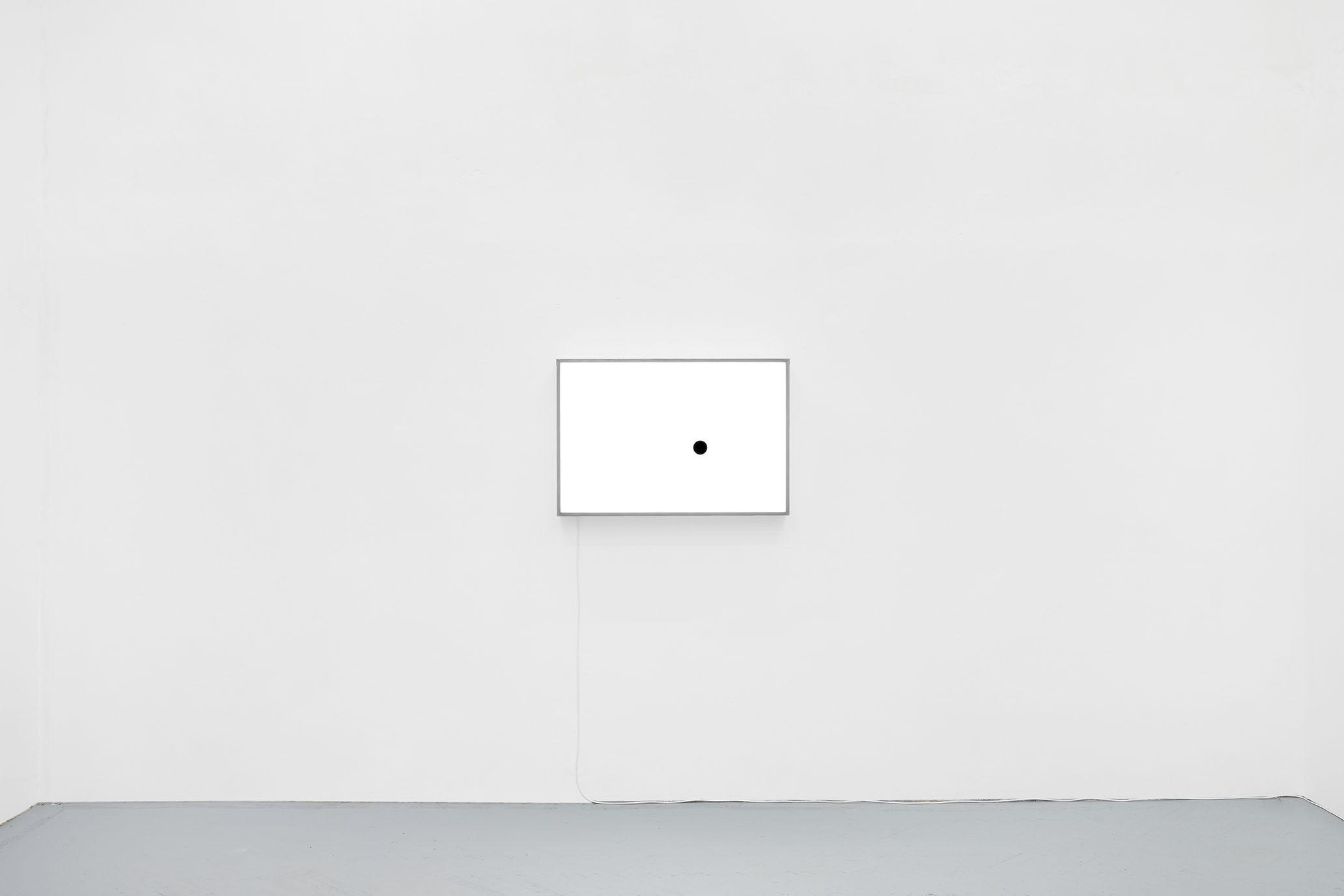
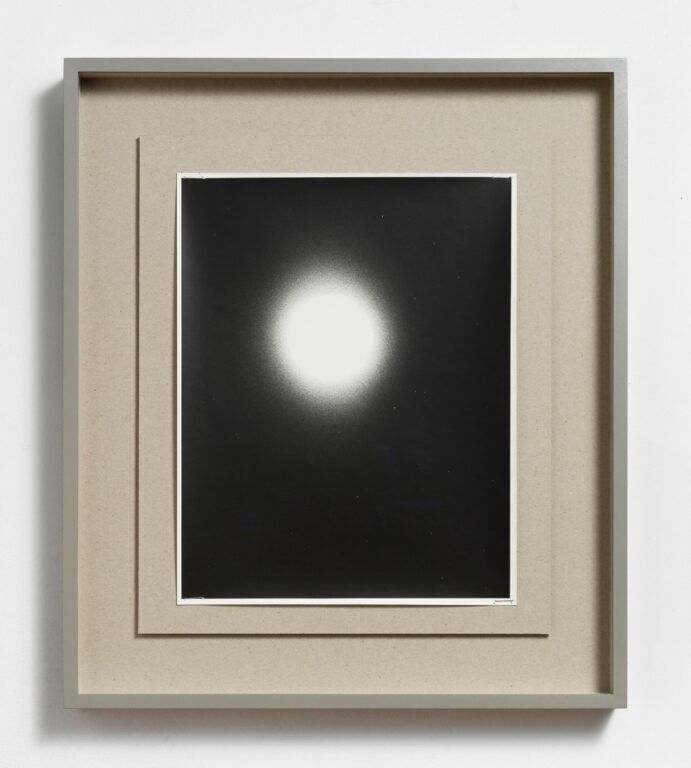
Besonders häufig hat Kneihsl die Kamera auf die Sonne gerichtet. Das Motiv steht für sein Interesse am Elementaren. Wo starkes Streiflicht seine Schaufensterpuppen animiert, erscheint die Sonne im Schwarz-Weiß des Bildes höchst referenziell als isolierte Kreisform – und dabei doch vor allem auf sich selbst verweisend: als primäre Lichtquelle, als Voraussetzung der Fotografie und jeglichen Lebens auf dieser Erde. Bedenkt man, dass das Licht der Sonne bei Eintritt in die Linse bereits acht Minuten alt ist, erhält das für die Fotografie ebenso indexikalische wie geisterhafte „Es ist so gewesen“ von Roland Barthes in Kneihsls Sonnenaufnahmen eine weitere, universelle Dimension.
(Cora Waschke, 2026)
—
Interest in photography from the beginning has alternated between two poles. On the one hand, there was the aspiration to enable an objective portrayal and a view of the world with the aid of the photographic device, an image which departs from the abilities of the human visual sense which is capable of being deceived. On the other hand, with experimental approaches in physico-chemical photographic procedures, pictures were achieved that should verify the paranormal, that is, the spectral. In considering Erwin Kneihsl’s photography, it is once again clear that these poles work together. We see objects and creatures in physical consequentiality of the light impression. At the same time, the frequently stark black-white contrast, the deliberate lack of focus and the rough grain – the photographic noise – allow the supposedly transparent medium to appear as an alchemistic process. In it, the intersubjective conceptual images of the artist are visible in the expressly conjured spectre of photography.
Kneihsl, born in Vienna in 1952 and educated there as a photographer in the late 1960s at “Höhere Graphische Lehr- und Versuchsanstalt” (Higher Federal Institution for Graphic Education and Research), moved in the 1970s to Berlin where he was active as a performer, painter and film-maker, collaborated with authors and other artists, and co-founded the legendary Club SO36 in Kreuzberg. At the latest at the end of the 1990s, he dedicated himself to photography again, and on the basis of thorough research produced extensive series, which in part were presented in handcrafted artist’s books. Against this background, the essentials of Kneihsl’s work developed: a virtuoso deployment of classical craftsmanship and a connection to particular avant-garde movements, from Constructivism and Surrealism up to Punk.
This first Viennese solo exhibition of the artist, who for a few years now has been back in his home city, gathers together motifs that are typical for him: architecture (including the Wittgenstein House in Vienna and the main building of the Berlin Fair from the 1930s), shop window mannequins and suns; in addition, abstract grainy images from the series Silver as well as new photographs of clouds are displayed.
All of the works shown (up to the gorilla on red paper) are analogue, black-and-white silver gelatine hand-made prints that Kneihsl develops in experimental chemical processes in his own darkroom. As always, he has mounted the unique items with paper clips on grey cardboard, stamped with his initials, and then installed them here in the gallery, in part hanging freely from the ceiling. Besides large format and medium format cameras, the artist also occasionally employs 35 mm cameras for their portability, for example when he photographs all of the Catholic churches in the Berlin diaspora. In doing so, the buildings, which are in part deliberately underexposed and shot in Rodchenko-esque low-angle view, are indeed complete in terms of number, yet are anything but recorded in documentary fashion.
Particularly frequently, Kneihsl has aimed his camera at the sun. The motif symbolises his interest in the elementary. Where strong raking light animates his shop-window mannequins, the sun appears in the black-and-white of the image highly referentially as an isolated circular shape – and thereby, after all, mainly referencing itself: as primary source of light, as a precondition of photography and of every form of life on this earth. If one considers that, when the light of the sun enters the lens it is already eight minutes old, Roland Barthes’ “that-has-been”, for photography equally indexical and spectral, attains an additional, universal dimension in Kneihsl’s sun photographs.
(Cora Waschke, 2026)